
An employee submits a report through the corporate compliance hotline regarding a potential safety violation. Two weeks later, their direct supervisor begins assigning them undesirable shifts and excluding them from team meetings. What is the most appropriate first course of action for this employee?
Select an answer to reveal the explanation.
Short Explanation
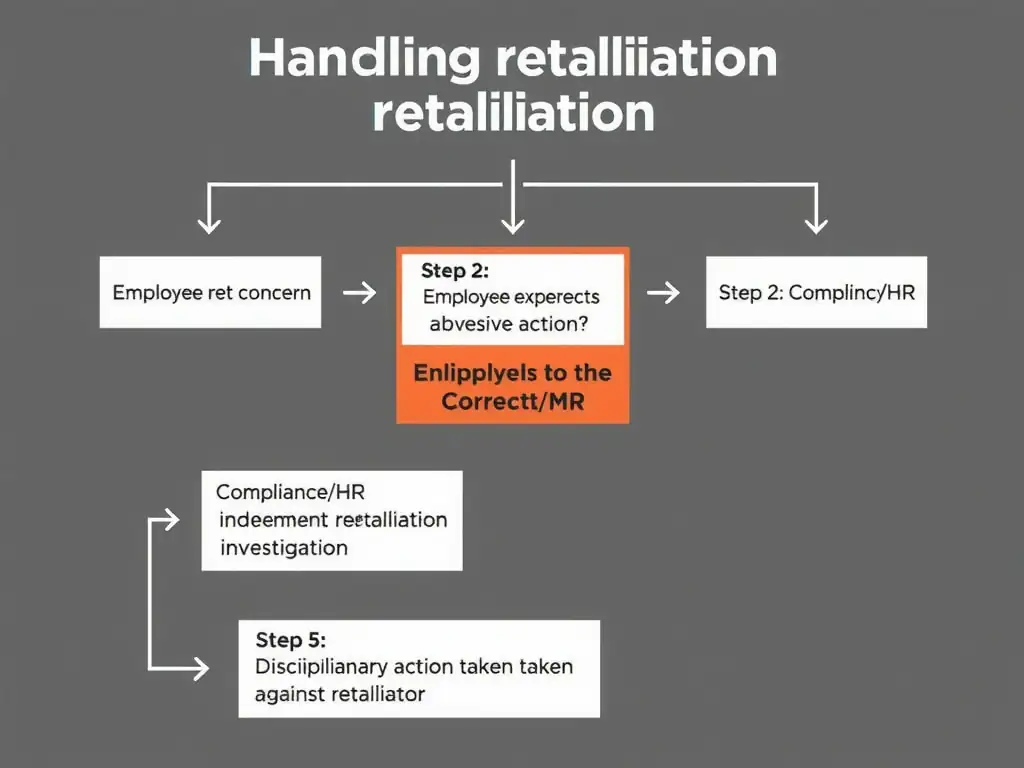
Retaliation is a massive red flag, and it's illegal. If your supervisor starts making your life miserable after you report a safety concern, don't ignore it or blast it publicly. Report it straight to HR or compliance so they can shut it down and protect you.
Full Explanation
Whistleblower protection and the prevention of retaliation are critical elements of a compliant workplace culture. Retaliation can take many forms, including demotions, negative performance reviews, isolation, or schedule changes. Under most regulatory frameworks and corporate policies, retaliation against an employee who reports a concern in good faith is strictly prohibited.
The correct course of action is to promptly report the supervisor's actions to the compliance officer or Human Resources department as potential retaliation. These departments are responsible for investigating retaliation claims, enforcing the company's non-retaliation policies, and protecting the employee's career status.
The choice to post a detailed account on the company's public intranet or social media channels is incorrect because airing grievances publicly violates confidentiality protocols, can disrupt the workplace, and does not initiate the formal investigation and protection process. The choice to remain silent about the change in treatment is incorrect because ignoring retaliatory behavior allows the hostile environment to persist and signals to the supervisor that their actions have no consequences. It also deprives the company of the chance to correct the issue. The choice to resign immediately and seek legal representation without notifying internal management is incorrect because quitting immediately is a premature step that can lead to financial hardship. While a constructive discharge claim is possible in severe cases, the employee should first give the organization's internal compliance and grievance processes an opportunity to investigate and remedy the situation.
Organizations must treat retaliation complaints with the highest priority to maintain trust in the reporting hotline and encourage an open reporting culture.