
During annual budget planning, the board of directors discusses the funding and staffing levels of the compliance department. Why is maintaining adequate resources for the compliance function critical to the program's overall defensibility?
Select an answer to reveal the explanation.
Short Explanation
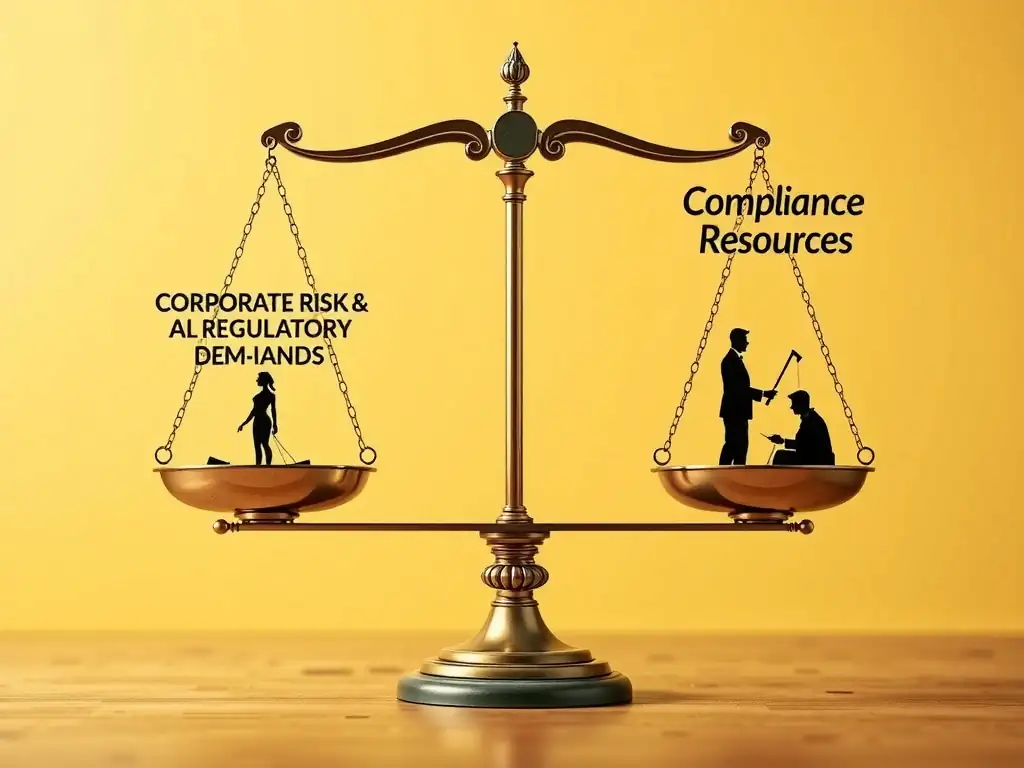
Regulators don't just check your paperwork; they check whether you've actually funded compliance. If you've got the staff, tools, and technology to monitor risks, train employees, and investigate issues, your program is defensible. It's not about being the biggest department; it's about being able to do the job.
Full Explanation
Regulatory authorities, particularly the U.S. Department of Justice (DOJ) in its guidelines for the Evaluation of Corporate Compliance Programs, place significant emphasis on the resources and authority allocated to the compliance function. An underfunded, understaffed, or technology-lacking program is often viewed as a 'paper compliance program'—one that exists only on paper but is ineffective in practice. The answer that states the compliance team needs the necessary tools, staff, and technology to effectively implement, manage, and monitor the compliance program is correct because adequate resources—including budget, staff, training, and specialized compliance software—are essential to enable the compliance department to fulfill its core duties. These duties include conducting risk assessments, updating policies, delivering training, managing hotlines, investigating reports, and performing continuous monitoring and auditing. The option about expanding the compliance department so it has the largest headcount and budget within the corporate structure is incorrect because there is no requirement or benefit for the compliance department to be the largest department in the company. Resource allocation should be proportional to the company's size, risk profile, and complexity, not arbitrarily maximized. The option about eliminating the necessity of executive leadership and board-level oversight over corporate compliance risks is incorrect because a well-resourced compliance department does not replace management or board oversight. In fact, executive leadership and the board of directors retain ultimate accountability for compliance and must actively oversee the program. The option about guaranteeing that the compliance department can recruit an unrestricted number of personnel without budget limitations is incorrect because no corporate department operates with unlimited staff or unrestricted funding; resources must be managed efficiently and targeted toward the organization's highest-risk areas. Well-funded compliance ensures that the organization can proactively detect violations, thereby avoiding catastrophic fines and reputational damage.