
During an internal investigation into suspected procurement fraud, the compliance team decides to implement forensic data analysis on the company’s transaction logs. What is the primary purpose of utilizing this methodology?
Select an answer to reveal the explanation.
Short Explanation
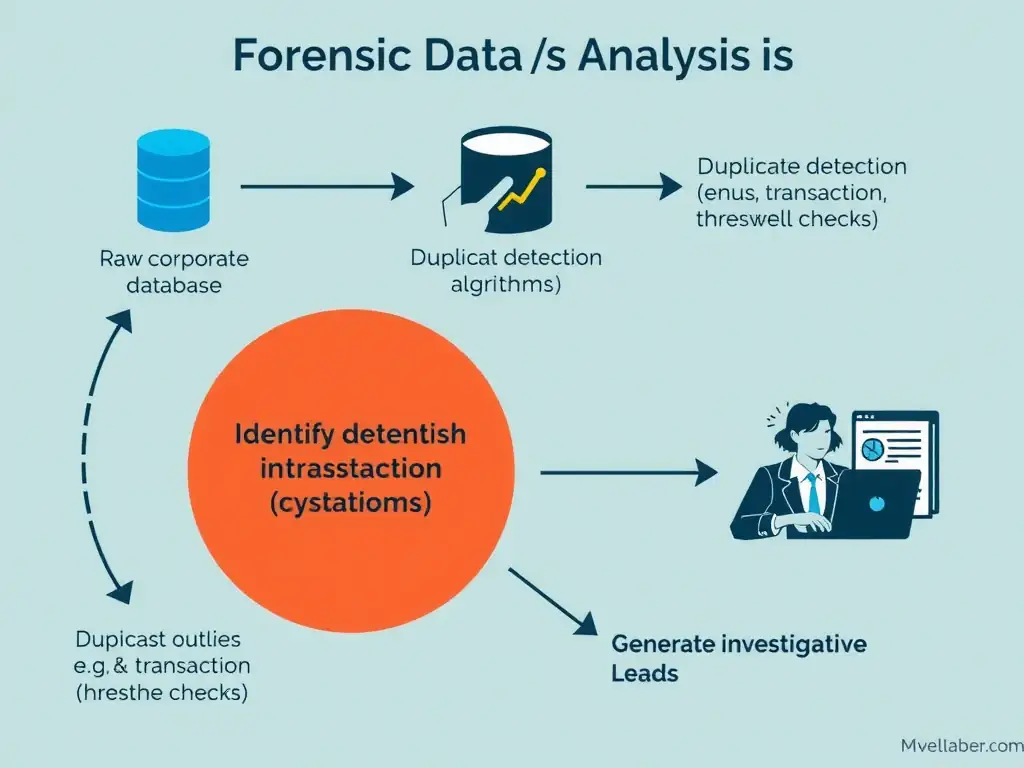
When someone commits fraud, they usually leave a digital trail in your data. Forensic data analysis helps you sift through massive transaction logs to spot weird patterns—like odd payment dates, split orders, or duplicate vendors—so you can find the fire. It’s not about blaming someone on day one or hiding problems.
Full Explanation
Forensic data analysis involves the application of data science and statistical techniques to corporate records—such as general ledgers, email logs, and procurement databases—to uncover evidence of fraud, corruption, or compliance violations. It is a highly objective, evidence-based investigative tool that allows compliance teams to see beyond surface-level reports.
The correct answer is the option that describes evaluating extensive transaction databases to detect abnormal patterns, outliers, and system anomalies that suggest fraudulent behavior. That choice accurately captures the core function of forensic data analysis: processing large volumes of structured and unstructured data to identify patterns, trends, and anomalies—such as round-dollar transactions, duplicate payments, or unusual transaction times—that warrant closer investigation.
The option about quickly isolating the first employee involved in order to assign blame and close the file is incorrect because the goal of an investigation is to uncover the truth and identify systemic issues, not to rush to find a scapegoat or the first culprit without conducting a thorough analysis.
The option about manipulating the financial records to demonstrate to external auditors that no errors or faults occurred is incorrect because forensic analysis must remain objective and independent; using it to actively cover up faults or prove innocence regardless of the facts violates professional ethical standards and could constitute obstruction of justice.
The option about compiling a generic summary report solely for public relations purposes and regulatory submission is incorrect because while forensic findings may eventually be incorporated into reports for regulators, compiling a generic public relations report is not the direct analytical purpose of forensic work.
In modern compliance programs, proactive forensic monitoring—running tests periodically rather than just during investigations—is considered a best practice to detect and deter issues like bribery and corruption before they escalate into major crises.