
A company hires a senior director who is later discovered to have a history of industry-specific regulatory bans and violations. A subsequent review shows that the company's screening process failed to check public regulatory registries. This scenario represents a breakdown in which compliance control area?
Select an answer to reveal the explanation.
Short Explanation
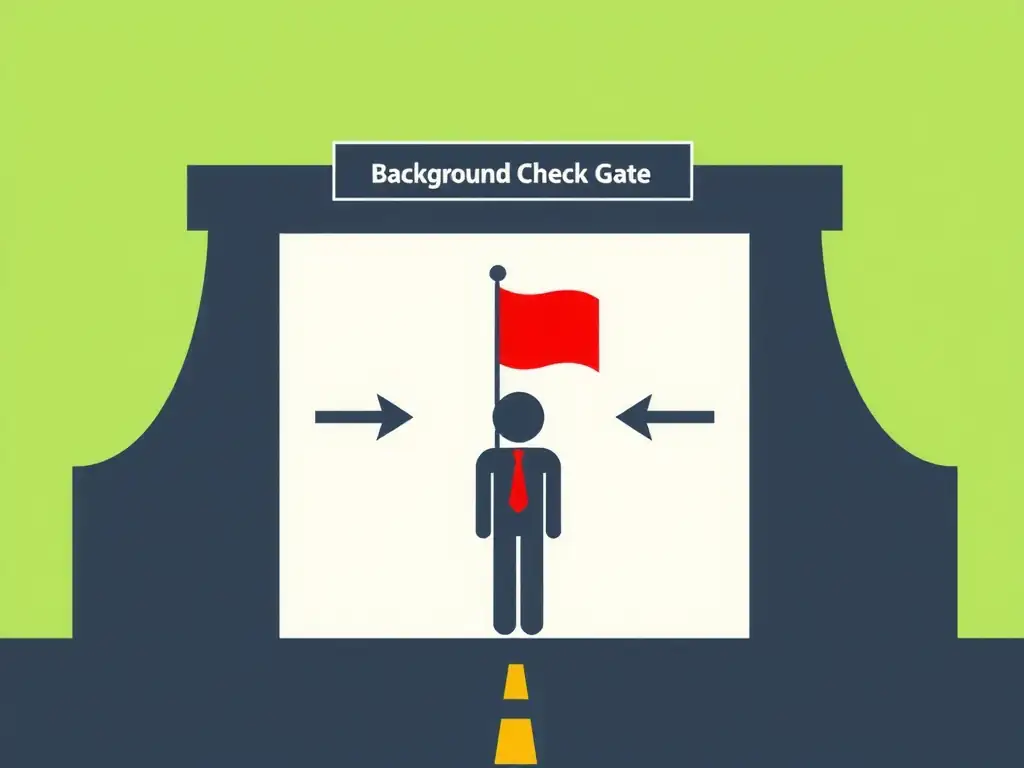
This bites companies all the time: you hire an executive, then a regulator asks why you hired someone banned from the industry. That's a pre-employment screening and personnel due diligence failure. You've got to vet your people before they get authority, just like you vet vendors.
Full Explanation
The correct answer is pre-employment screening and personnel due diligence. Pre-employment screening and personnel due diligence are essential preventive controls within an ethics and compliance program. The US Sentencing Guidelines and other regulatory frameworks expect organizations to take reasonable steps to avoid delegating substantial discretionary authority to individuals whom the organization knew, or should have known through due diligence, had a history of engaging in illegal activities or regulatory violations. When a company fails to identify past regulatory violations during the hiring process, it indicates a gap in its personnel screening controls.
Post-incident reporting systems are incorrect because they are designed to capture complaints and reports of misconduct after they occur, not to prevent high-risk hiring.
Corrective controls are incorrect because they are implemented to remediate and fix a violation or control failure after it has been detected, rather than preventing the hiring of unqualified or high-risk candidates.
Detective transaction auditing is incorrect because auditing and monitoring are detective controls used to assess ongoing operations and detect anomalies, not to conduct initial background clearances on prospective employees.
By integrating compliance screenings, such as checking sanctions lists, regulatory registers, and criminal records, into the HR hiring workflow, an organization reduces the risk of operational misconduct and demonstrates compliance integrity.