
Before retaining an international business development consultant, an organization's compliance team conducts a rigorous due diligence investigation. What is the main objective of this process?
Select an answer to reveal the explanation.
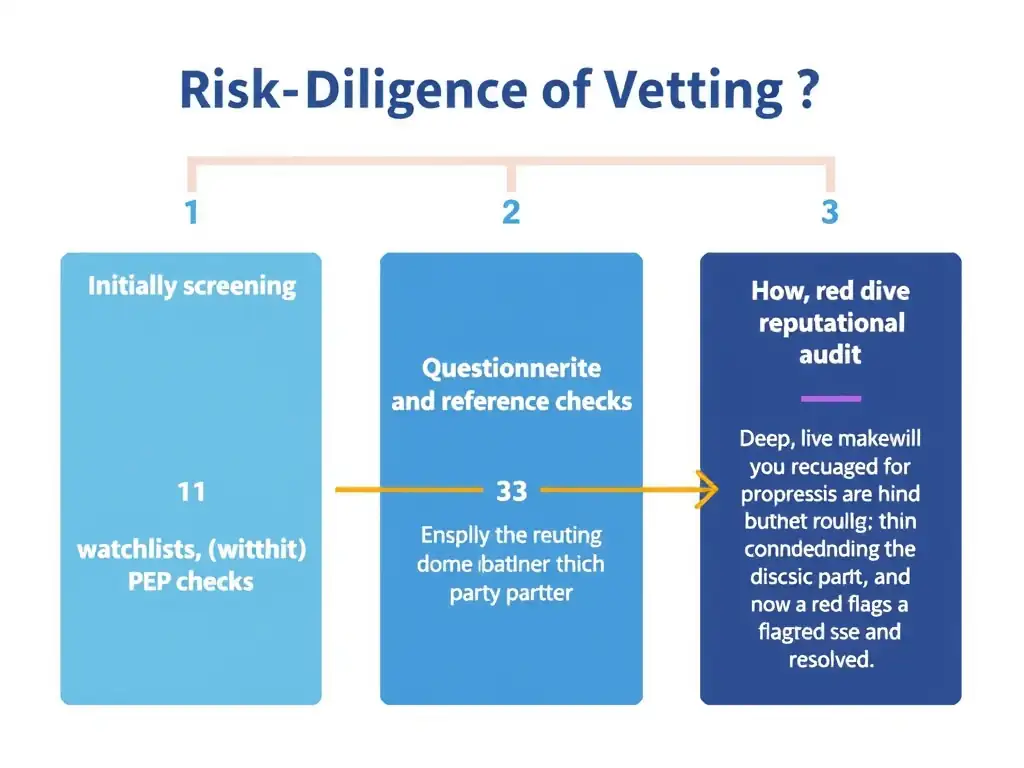
Short Explanation
Pay close attention: before retaining that international business development consultant, you need to vet their background, reputation, and associations to spot corruption and compliance risks. That's the main job of due diligence.
Full Explanation
Third-party relationships represent one of the most significant sources of legal and regulatory risk for organizations, particularly under anti-corruption frameworks like the Foreign Corrupt Practices Act and the United Kingdom Bribery Act. Under these laws, companies can be held civilly and criminally liable for bribes paid or corrupt acts committed by agents, consultants, or intermediaries acting on their behalf. In international business, requests for massive commissions that don't make sense, undocumented facilitation payments to grease the wheels with local officials, or other high, unexplained fees are classic bribery red flags—think of them like a suspicious packet bypassing your firewall.
Due diligence is the primary mechanism used to identify, assess, and mitigate these risks before entering a business relationship. The correct objective is to investigate the consultant's background, reputation, and associations to evaluate corruption and compliance risks. A proper due diligence check investigates the third party's beneficial ownership, reputation, history of legal compliance, relationship with government officials to identify politically exposed persons, and the commercial rationale for their hiring. Implementing a risk-based due diligence framework helps organizations defend themselves by demonstrating that they took reasonable, proactive steps to prevent corruption.
The other choices fail because they miss the compliance focus. Negotiating the lowest possible service fees and optimizing the procurement department's budget is a procurement and commercial-management task, not the risk-based purpose of compliance due diligence; while unusual fee structures, such as success fees, can be a compliance red flag, due diligence is not designed to force down costs. Verifying that the consultant possesses all necessary personal licenses, such as a valid driver's license, is an operational matter unrelated to systemic compliance, corruption, or anti-bribery risk assessments. Legally guaranteeing that the consultant's deliverables will be completely free of technical errors is also wrong, because no due diligence check can guarantee perfect performance or eliminate ordinary operational errors; the focus is on legal compliance and ethical conduct, not operational perfection.