
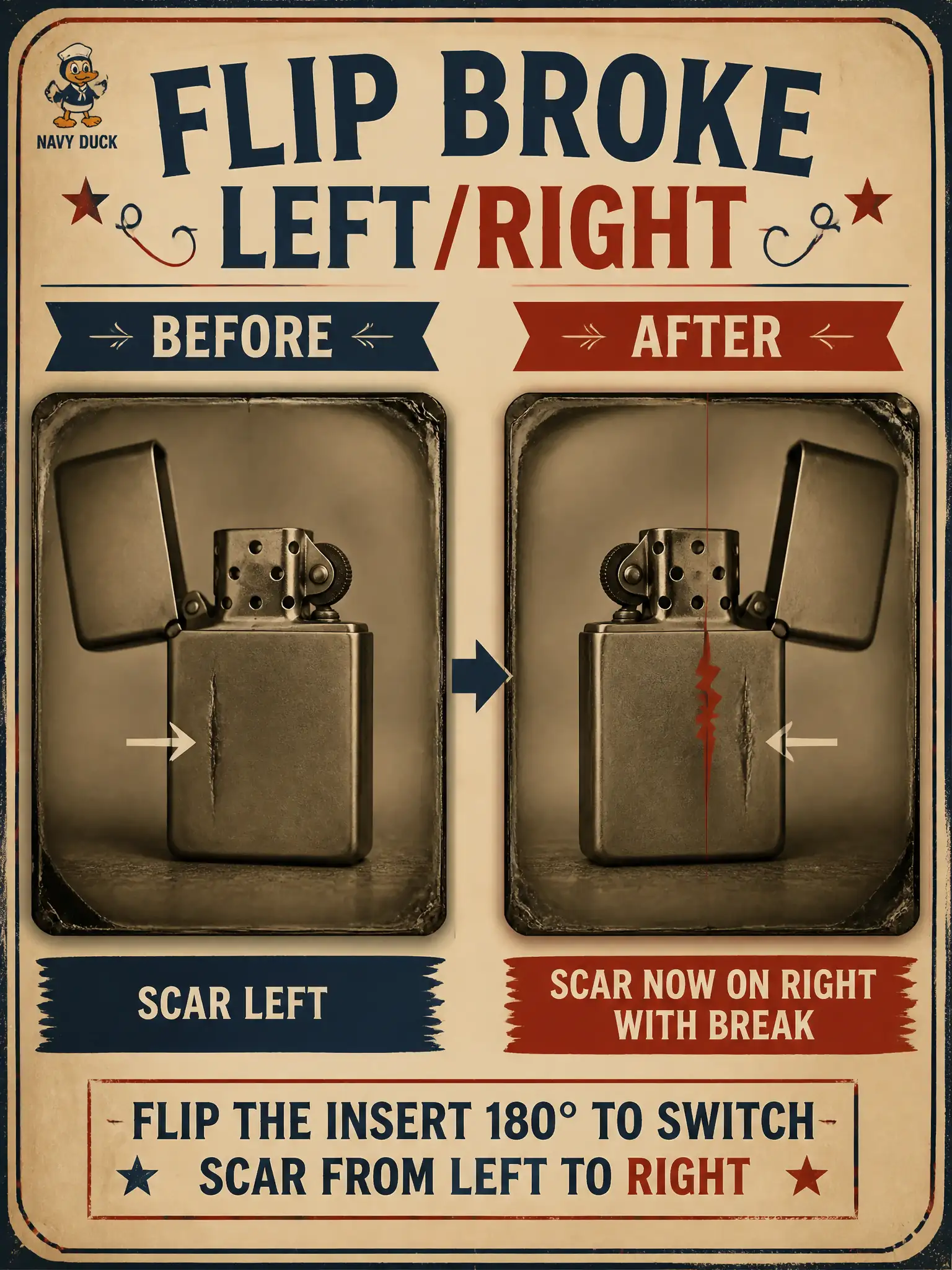
An ambrotype-style civic studio flipped every sitting still "to grow the set." A wall of pairs now shows "scar on the left cheek" sitting on the right. What should that gallery analysis conclude?
Select an answer to reveal the explanation.
Short Explanation
If the caption says left cheek and the flip put the scar on the right, the gallery just caught a bad augmentation. Fix the transform group—do not invent a new architecture.
Full Explanation
A gallery that pairs originals with flipped ambrotype-style sittings and shows “scar on the left cheek” landing on the right reveals augmentation that broke alignment with spatially grounded captions. Domain 5 analysis concludes the transform group needs an augmentation fix (or caption rewrite under controlled policy)—not a new network and not a trust-label substitute for visual review.
Requiring a new network architecture because flips always help fails because the defect is alignment under geometric transform, not proof that the backbone is wrong. Ignoring spatial captions after any geometric transform fails because left/right language becomes false under mirrors and flips unless captions are updated. Replacing visual review with Domain 7 authenticity labeling alone fails because authenticity disclosure does not repair caption–image spatial contradiction in the training pair.
Exam caveat: geometric augmentations that invert spatial language are corpus defects. Fix the augmentation policy or the text; do not escalate to architecture or trust rituals as the first move.
Operational check: sample flip pairs against spatial phrases (left/right, cheek, hand); disable unsafe flips or auto-rewrite captions under review; re-check the civic studio wall until scar-side language matches the still.