
A tidal-pool lab uses an NVIDIA AI Blueprint with VIA on a short clip plus a typed question. At Domain 2 depth, how should that situation be read?
Select an answer to reveal the explanation.
Short Explanation
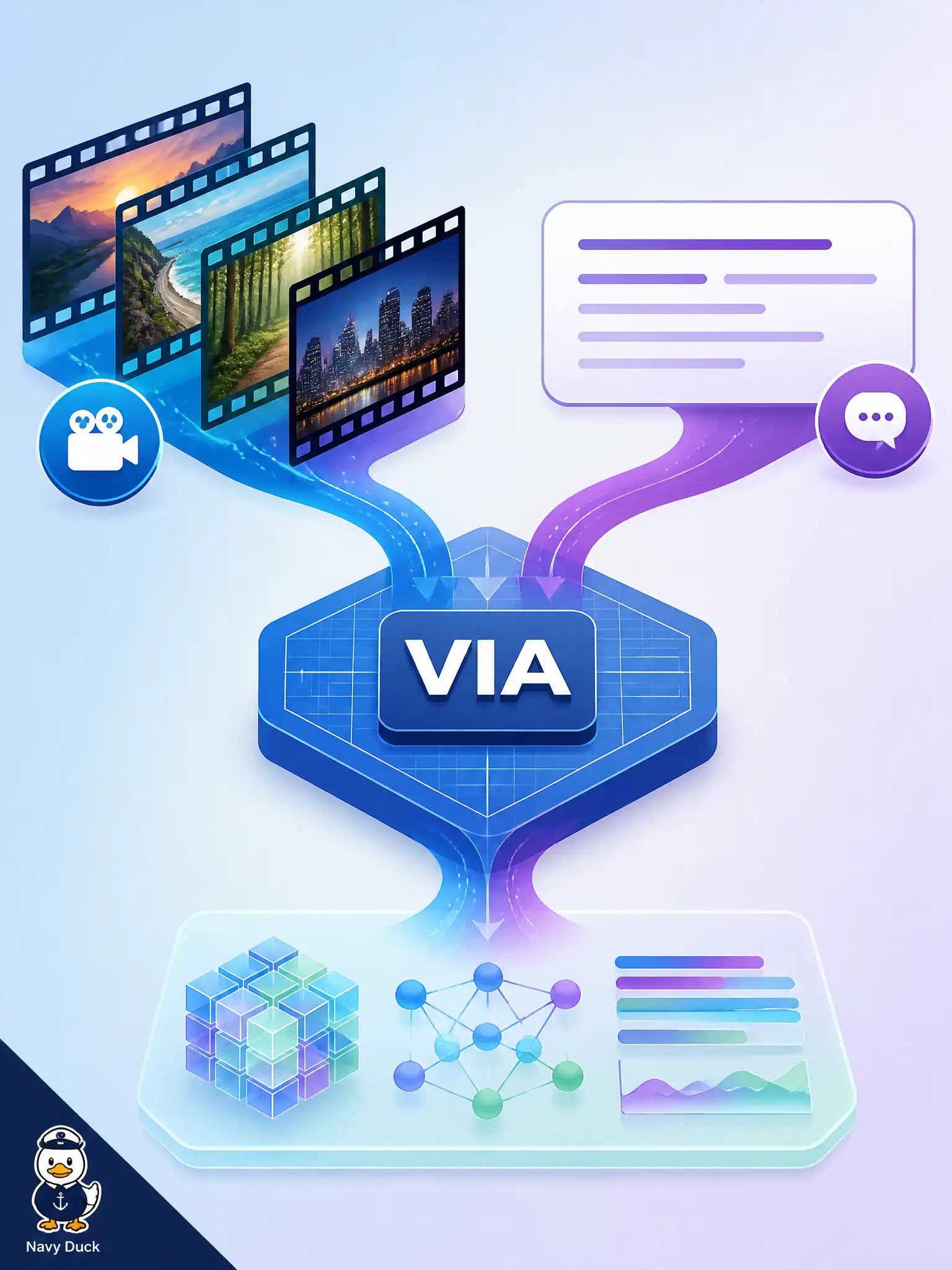
Treat the clip and the typed question as the modalities being routed. Leave VIA as initials—this is modality orchestration depth, not a Blueprint how-to or a datacenter item.
Full Explanation
At Domain 2 depth, an NVIDIA AI Blueprint with VIA on a short tidal-pool clip plus a typed question should be read as modality orchestration of video and text, leaving VIA as initials only. It is not a full Domain 4 Blueprint customization and Helm deployment procedure at this depth. It does not grant permission to invent an expansion of the VIA initials. It is not an NCA-AIIO item on GPU virtualization and cooling. Exam caveat: Domain 2 = modality routing/orchestration; keep VIA unexpanded. Operational check: document video frames and text question as routed modalities into the blueprint path; refuse invented VIA expansions and infrastructure digressions in the design note. Domain-2 review of VIA blueprints should list video+text routing and forbid invented expansions. Domain 2 reads VIA clip+question blueprints as video/text modality orchestration; keep VIA unexpanded. Domain-2 VIA reviews should list video frames plus text question routing, forbid invented VIA expansions, and defer Helm customization to Domain 4. Operators validating q134 should capture evidence of the correct mechanism in civic logs before release. Close q134 with a municipal evidence note that records why the correct mechanism fits this civic multimodal scenario, why each of the three distractors fails by a distinct concept, and which operational check was observed in logs or dataset cards before promotion. File that note with the run packet so later maintenance cannot silently revive a rejected framing.