
A lantern-maker intern points at an intermediate concat layer and says, “That is the agent.” What is the correct distinction?
Select an answer to reveal the explanation.
Short Explanation
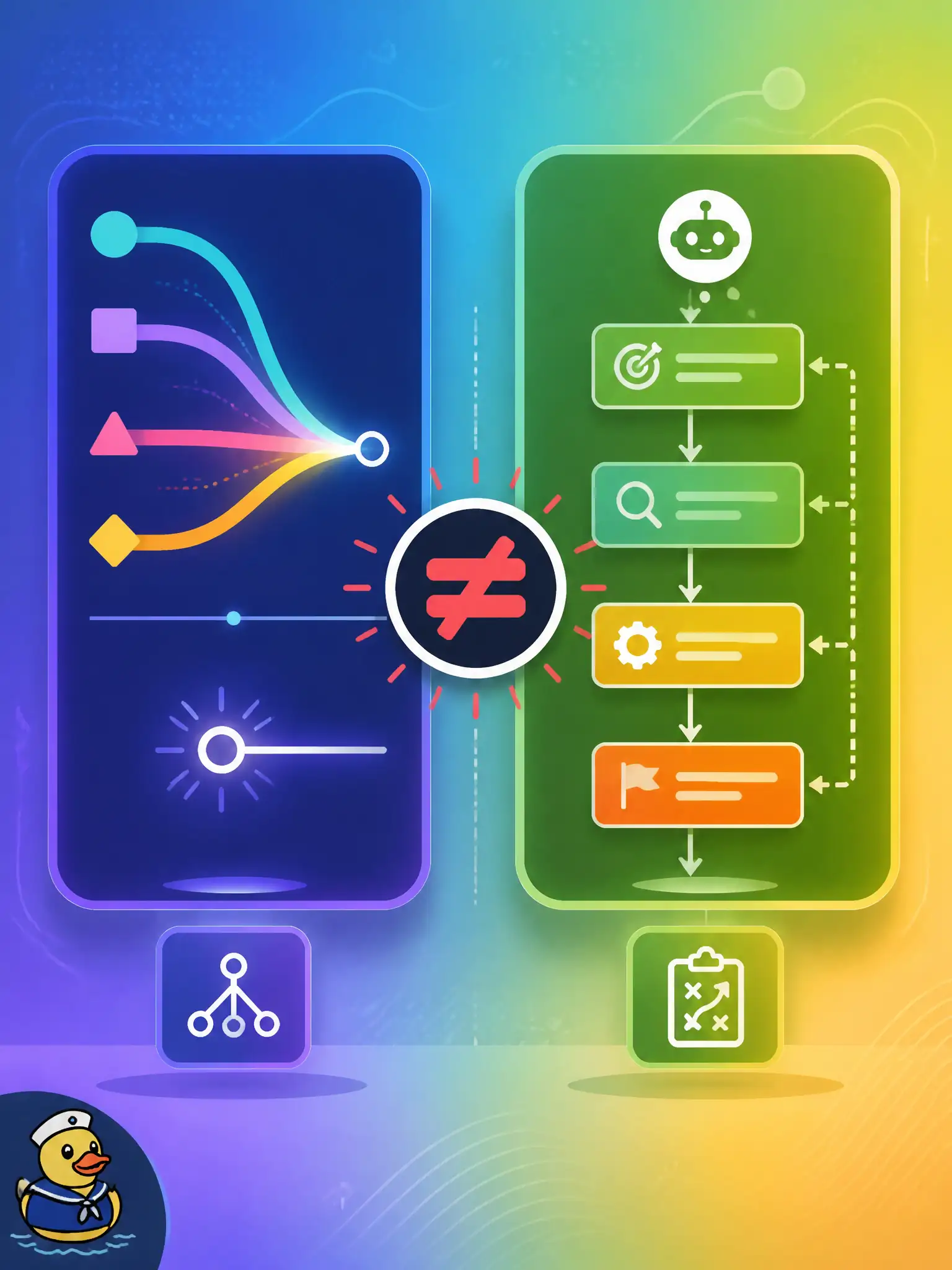
A fusion layer is a meeting hall for features, not a stage manager. Agents plan tools and roles; fusion just joins representations.
Full Explanation
An intermediate concat layer is a fusion layer that joins representations; it does not plan tools or roles like an agent orchestrator. A lantern-maker intern pointing at concat and saying “that is the agent” confuses fusion with agency. Concat does not imply tool use. Agents and fusion layers are not synonyms in every multimodal diagram. Early versus intermediate fusion both join representations; neither becomes an agent by fusion timing alone. Exam caveat: fusion joins features; agents sequence acts. Operational check: label concat/cross-attention blocks as fusion and label planners that choose tools/acts as agent orchestration on the civic diagram—never collapse the two labels. Correct lantern diagrams that mark concat blocks as agents; rename them fusion layers. Concat/cross-attention fusion joins representations; it does not plan tools the way an agent orchestrator does. Relabel lantern concat/cross-attention blocks as fusion layers in reviews, and reserve “agent” for planners that choose tools or roles. Operators validating q132 should capture evidence of the correct mechanism in civic logs before release. Close q132 with a municipal evidence note that records why the correct mechanism fits this civic multimodal scenario, why each of the three distractors fails by a distinct concept, and which operational check was observed in logs or dataset cards before promotion. File that note with the run packet so later maintenance cannot silently revive a rejected framing.