
A housing specialist needs a fresh plain-language explanation of waitlist steps for residents. What should they ask Copilot to do?
Select an answer to reveal the explanation.
Short Explanation
Residents need clear waitlist steps—ask Copilot for a brand-new plain-language Word doc. Keep sensitive IDs and sealed court text out of that draft.
Full Explanation
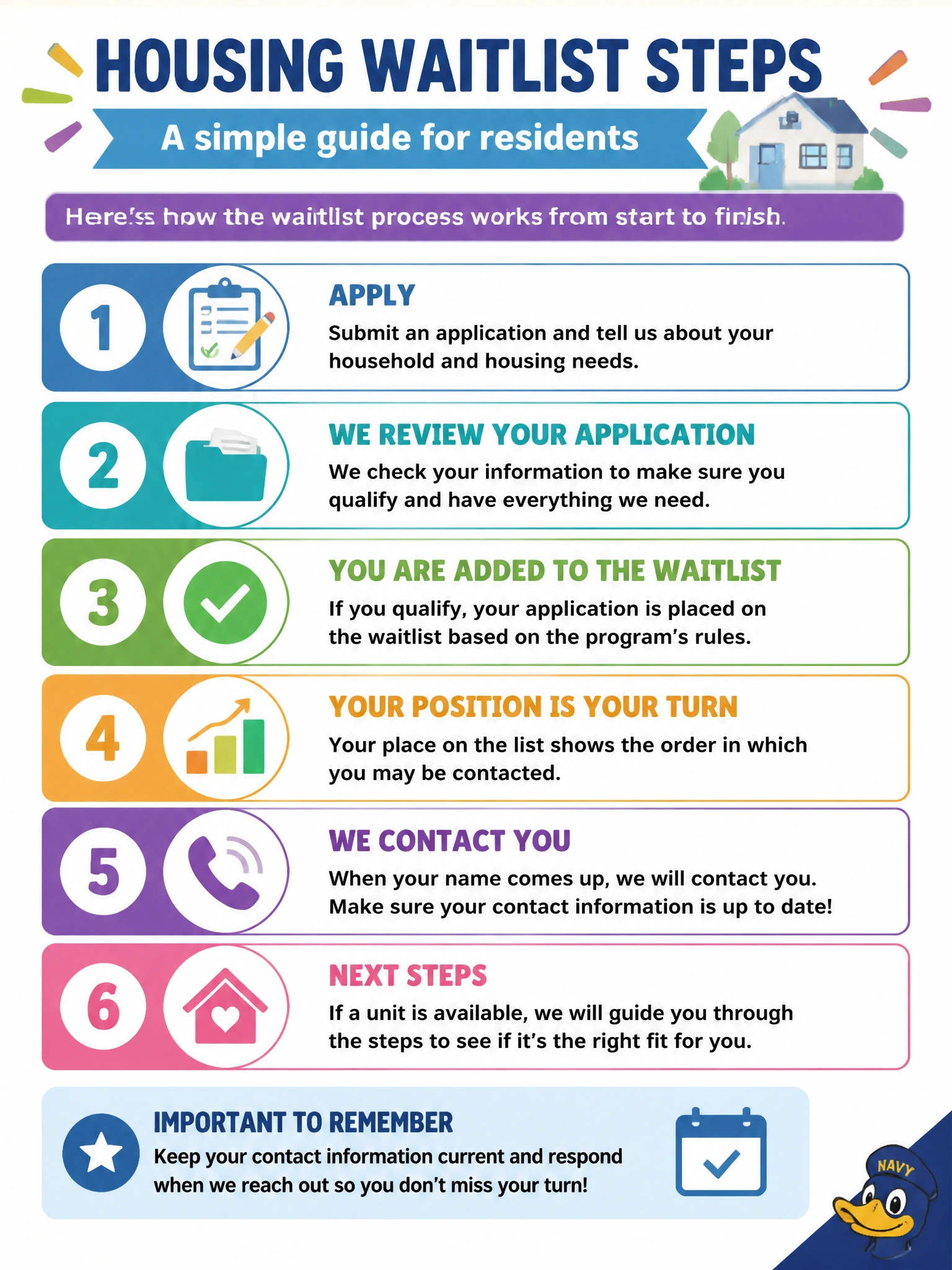
Creating a new Word document that explains waitlist steps in plain language is what the housing specialist should ask Copilot to do. New document creation supports resident-facing municipal content: a fresh, readable explanation of waitlist steps helps applicants without dumping sealed legal text or sensitive identifiers into the draft. Plain language is the product; Copilot accelerates the first draft inside Word for human review against housing policy.
Pasting full resident Social Security numbers into the prompt for personalization fails as a serious privacy and security error. SSNs do not belong in Copilot prompts for a general waitlist handout and create unnecessary exposure.
Rewriting sealed eviction court orders into the public waitlist handout unchanged fails by mixing confidential judicial material into a public explanation. Sealed orders are not handout source content for general waitlist steps.
Replacing the waitlist explanation with fabricated guarantee dates for unit offers fails because invented dates create false resident expectations and potential complaints when offers do not occur on the invented timeline.
Exam caveat: Resident-facing housing drafts must stay plain, accurate, and free of unnecessary personal data or sealed case text—Copilot does not waive those municipal rules.
Operational check: Generate the Word handout from a prompt that lists official waitlist steps, scrub any sample PII from the prompt history, have policy staff verify steps, and publish only after confirmation that no guarantee dates were invented.