
A specialty aerospace coatings plant routinely discards half-full pails of expired two-part epoxy primers as hazardous waste because bulk-discount purchasing brings in more material than production schedules consume. Which pollution prevention practice directly targets this waste stream at the source?
Select an answer to reveal the explanation.
Short Explanation
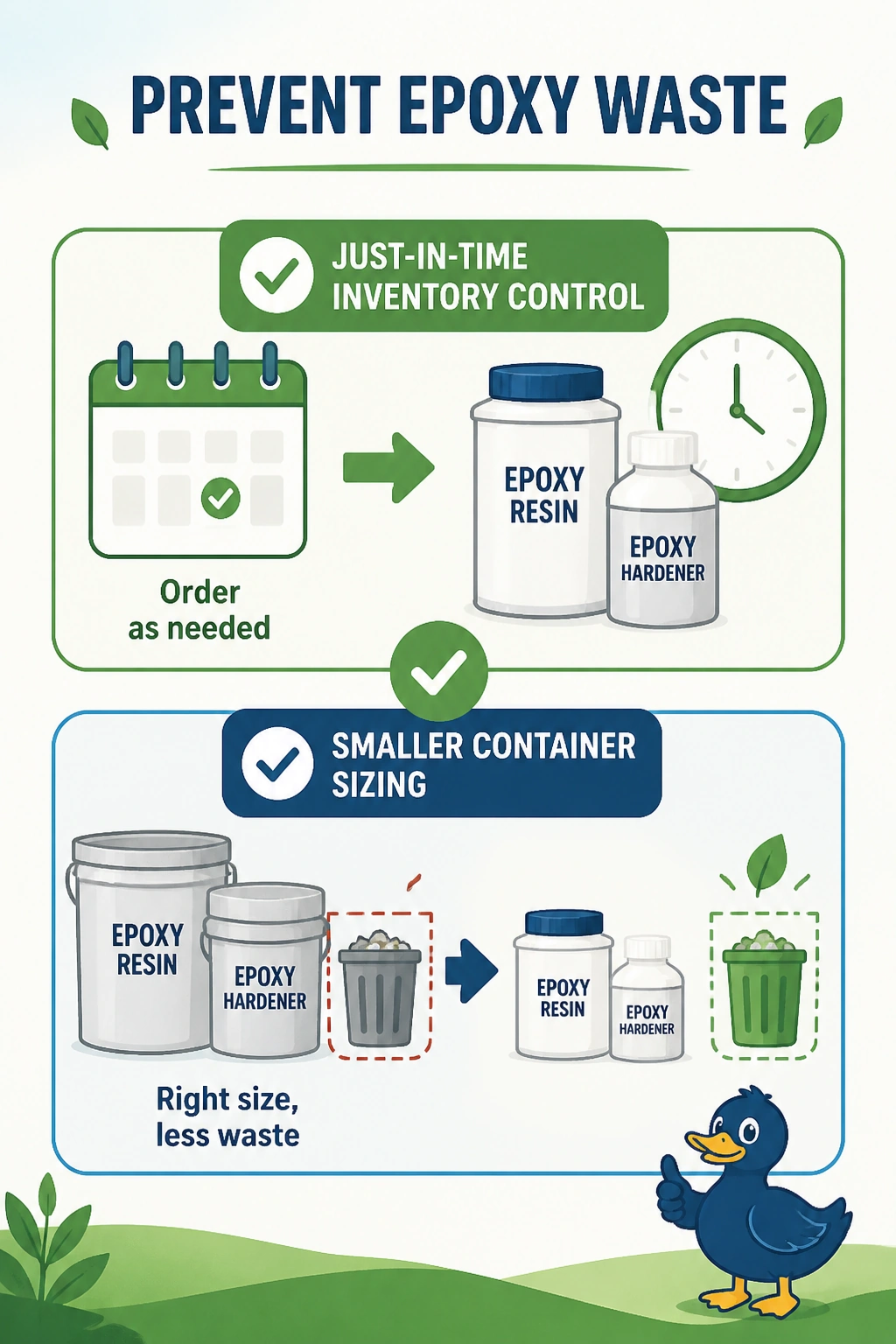
Buying chemical drums in bulk only looks like a bargain until you pay hazardous waste disposal fees on expired leftovers. When you match purchasing volume and container size to actual production demand, you stop creating waste before it ever enters the warehouse. That is source reduction in action.
Full Explanation
Under the Pollution Prevention Act hierarchy, source reduction sits at the top because it prevents hazardous waste from being generated in the first place. Implementing just-in-time inventory control and smaller container sizing directly eliminates over-ordering and shelf-life expiration, preventing unused resin and hardener from becoming off-specification hazardous waste. Incinerating expired epoxy pails off-site for energy recovery is a treatment and energy-recovery option lower on the hierarchy that still incurs transport, manifesting, and disposal costs. Neutralizing and solidifying leftover primers before landfilling represents waste treatment and disposal, which sits at the bottom of the hierarchy and fails to address why excess material was purchased. Installing a solvent distillation unit for equipment washings is an on-site recycling measure for cleanup solvents rather than a source-reduction control for expired raw-material primers. An exam caveat is that inventory control must still coordinate with production lead times so just-in-time delivery does not trigger emergency air-freight shipments or unapproved chemical substitutions. As an operational check, track shelf-life expiration dates in your inventory system and audit hazardous waste logs quarterly for unused raw materials.
Prefer to study offline? Printable PDF study book + test engine ($7.50, unofficial). These questions stay free here.