
What should administrators evaluate when adopting GitHub Enterprise Cloud features related to data residency?
Select an answer to reveal the explanation.
Short Explanation
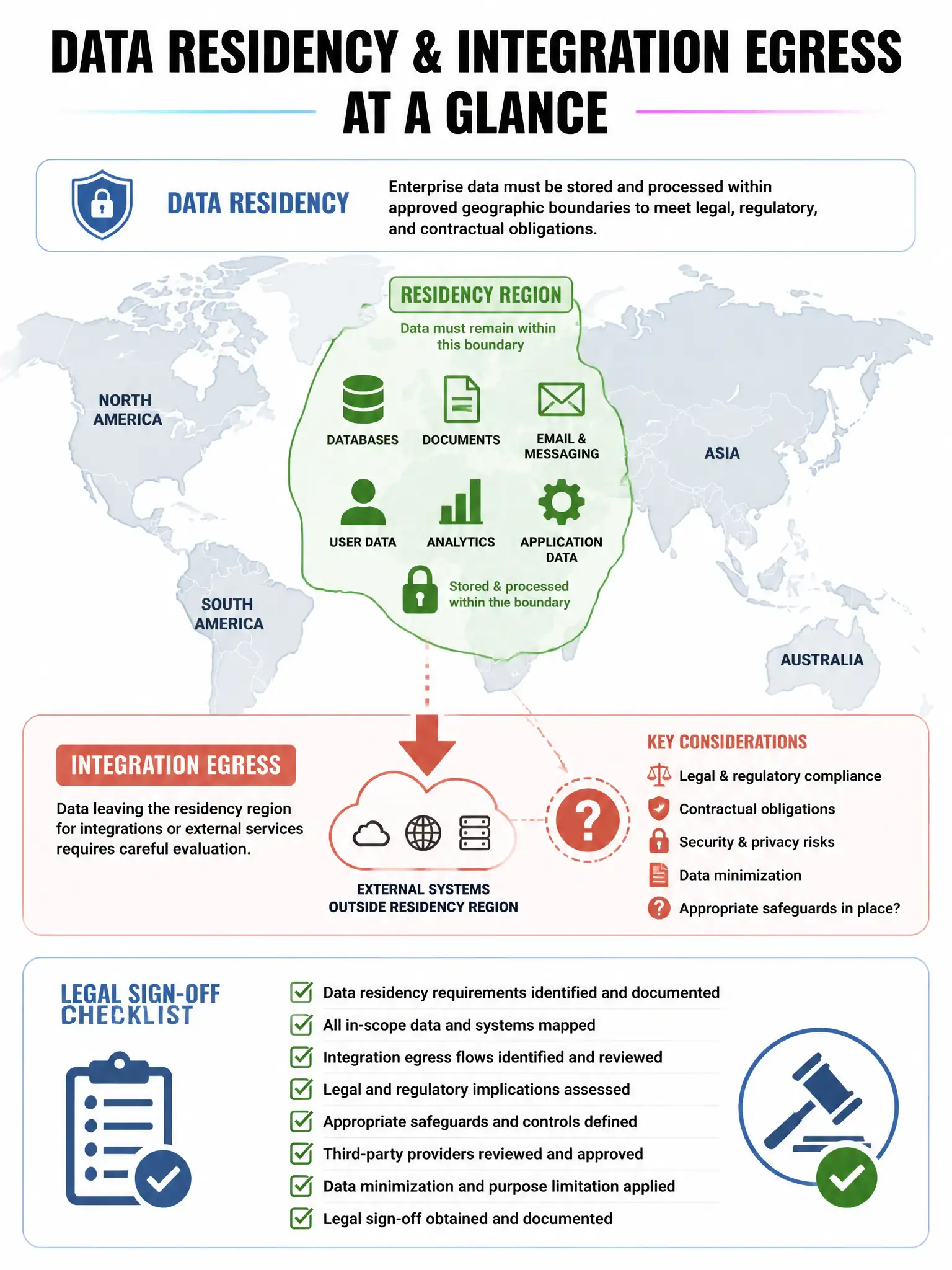
When you adopt GitHub Enterprise Cloud data residency, you evaluate whether the residency options meet your regional regulatory and contractual storage requirements. You’re checking where enterprise data lives at rest and which data classes are covered, not replacing Git with a file-transfer protocol, making audit logs public, or dropping two-factor authentication.
Full Explanation
The correct answer is assessing whether enterprise data residency options meet regional regulatory and contractual storage requirements. GitHub Enterprise Cloud data residency offerings constrain where certain enterprise data is stored; administrators must verify scope, including which data types and which features are covered, against legal needs. The claim that Git can be replaced by a file-transfer protocol exclusively is false. The claim that all audit logs must be public to the internet is false. The claim that two-factor authentication should be removed for users in a specific region is false and weakens security. Involve legal and compliance early, document residual risks for data that may still process outside the region, and align integrations that copy data out to third-party hosted services so residency promises are not accidentally voided by uncontrolled exports.