
Departments call LLMs with inconsistent logging and policy. What architecture improves consistent civic defensive controls?
Select an answer to reveal the explanation.
Short Explanation
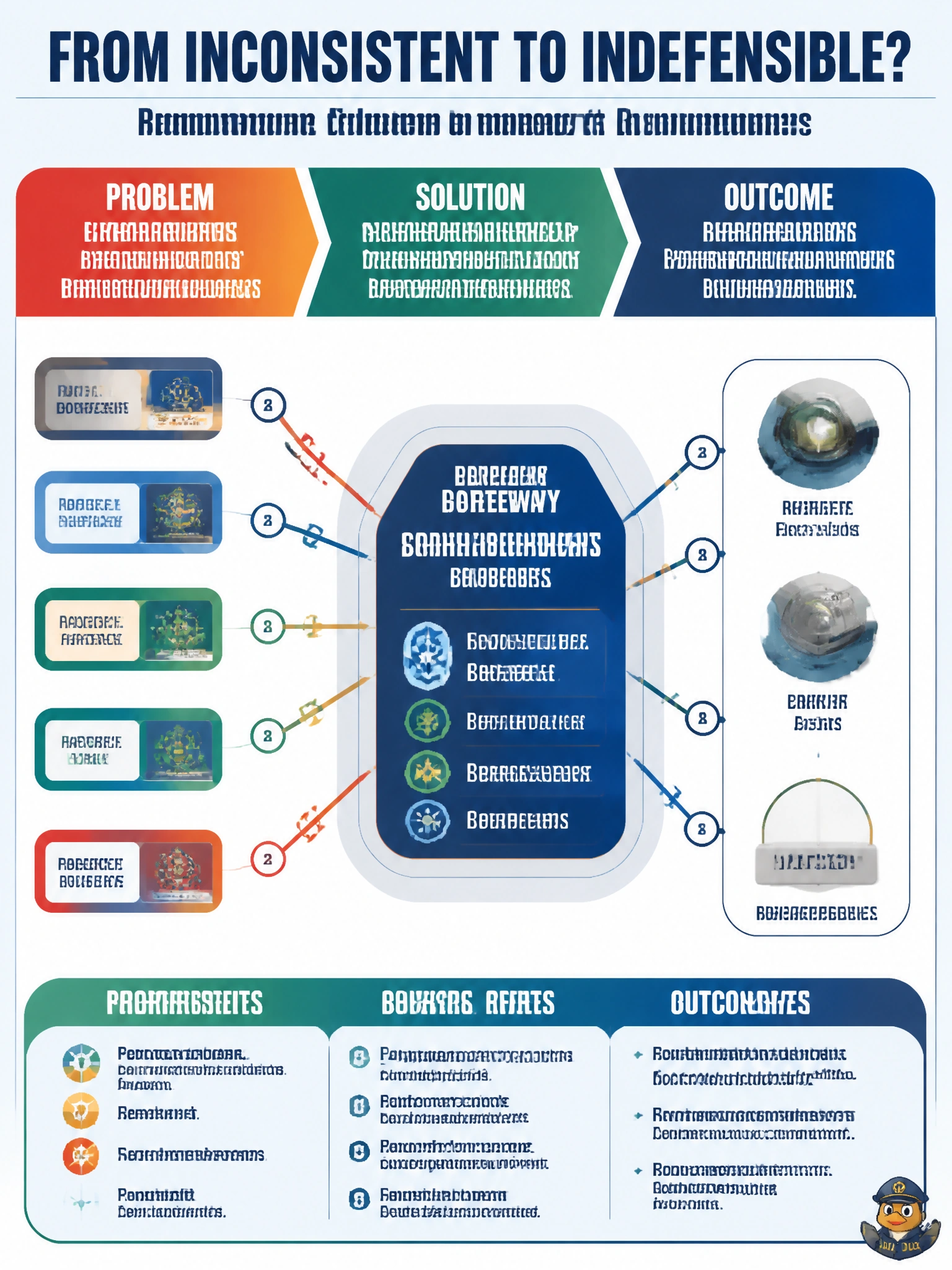
One gateway is the shared front door—policy, logging, and limits in one place instead of every department freelancing LLM calls. Gold leaf plaques aren’t a gateway.
Full Explanation
When departments call LLMs with inconsistent logging and policy, a centralized AI gateway that enforces policy for departmental LLM calls improves consistent civic defensive controls. The gateway becomes the shared enforcement point for authentication, authorization, prompt/output logging, rate limits, data-handling rules, and allow-listed models/vendors—so assessor, public works, and clerk traffic cannot freestyle weaker settings. Fragmented direct calls create uneven defense, blind spots for the SOC, and audit failures when some apps log prompts and others do not. Architecturally, centralization does not eliminate department-specific prompts or tools, but it standardizes the control plane municipal defenders need for generative AI at city scale. Gold-leaf assessor plaques, motivational cubicle posters, and holographic parking-validation stamps fail by concept: office décor does not centralize policy enforcement or unify LLM telemetry. Amenities are not an AI gateway. Exam caveat: 'publish a policy PDF' without an enforcement point fails the architecture question; the stem asks what improves consistent controls across departmental calls—centralized gateway enforcement. Operational check: route departmental LLM traffic through the municipal AI gateway, deny direct vendor endpoints from app networks, verify uniform logs in the SIEM, and sample that policy plugins (PII redaction, rate limits) apply across departments.