
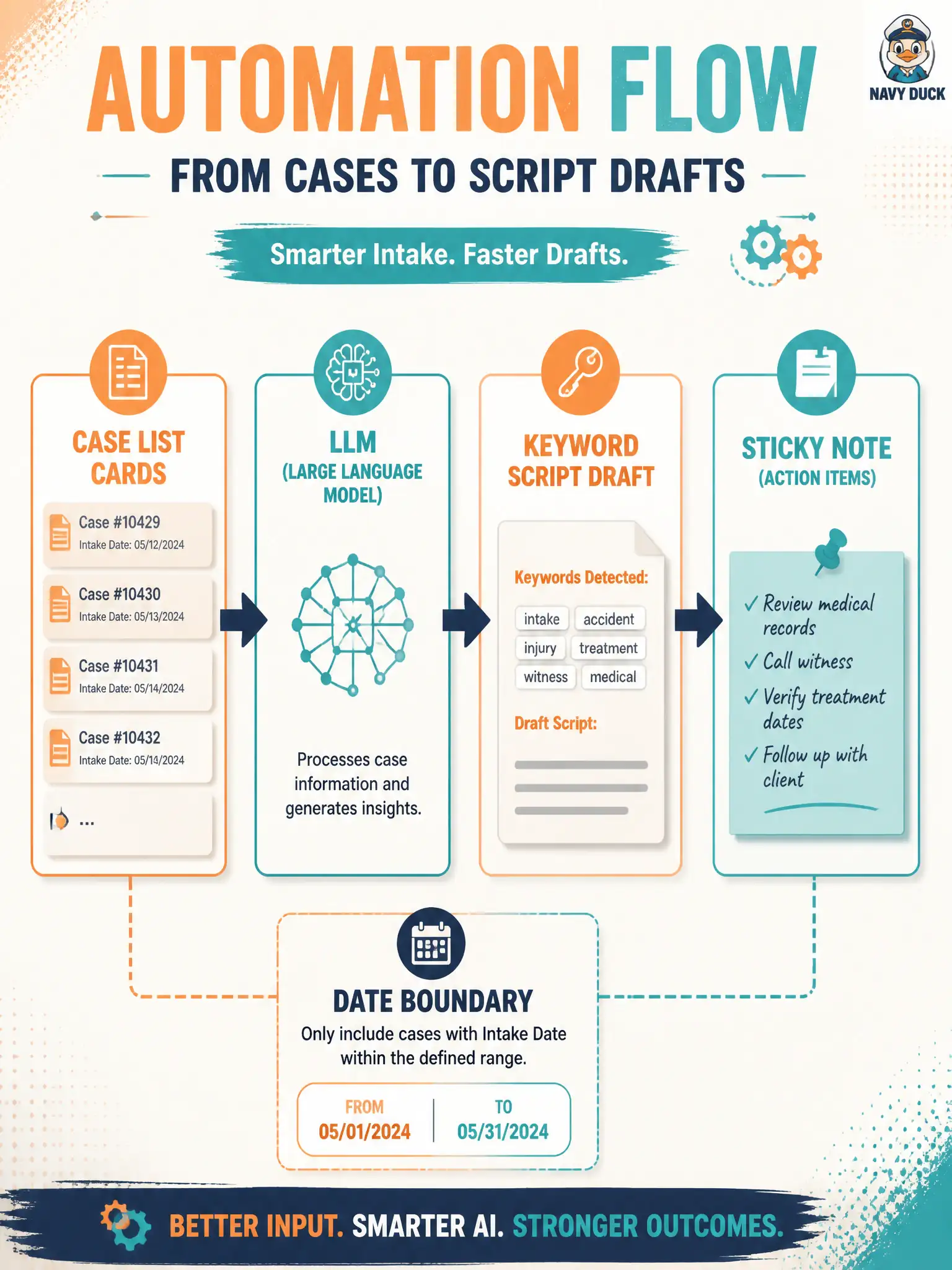
A stall-booking case list is given to an LLM, which returns a first-draft keyword script and suggests adding a boundary check on the date field. Which capability is illustrated?
Select an answer to reveal the explanation.
Short Explanation
Turning cases into a draft keyword script—and nudging a boundary check on the date—is automation support. The model is a co-pilot on scripts and technique hints, not a log sorter or a requirements-only coach. Review the draft before you trust the run.
Full Explanation
Returning a first-draft keyword script from a stall-booking case list and suggesting a boundary check on the date field illustrates test-automation support: generate or improve scripts and point at a useful technique. Civic farmers-market stall systems need maintainable automation drafts that testers still validate before trusting green runs in continuous integration or weekend lottery jobs.
Requirements ambiguity spotting with no link to automation artefacts is requirements analysis, not automation support. Post-run anomaly classification of production booking logs only is result analysis. Multimodal comparison of a kiosk photo against a fare table is multimodal UI analysis, not script drafting derived from cases.
Exam caveat: automation support covers script drafts and technique hints derived from cases—keep it distinct from analysis, results, and multimodal comparison capabilities on the official list.
Operational check: review the keyword draft line by line against the stall-booking cases; add the date boundary check if the basis warrants it; execute in a non-production environment; promote to the municipal pipeline only after human sign-off, flake review, and a recorded rationale in the change notes.