
A paper-mill crew says the new OT visibility tool is only a second asset list. The security lead wants its communication baseline. What does that baseline add that a static inventory does not?
Select an answer to reveal the explanation.
Short Explanation
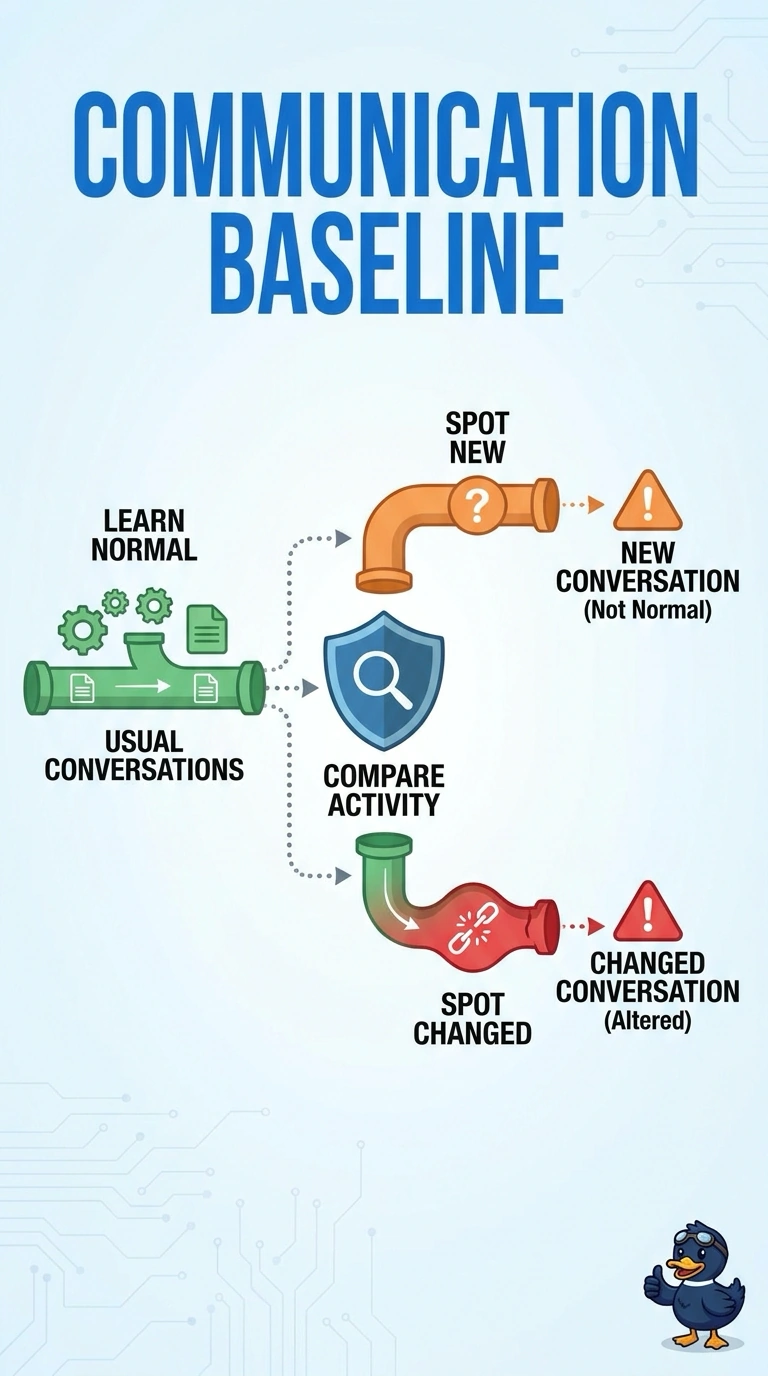
An inventory is the roll call. A baseline is knowing who usually talks to whom, so a stranger's conversation stands out. You are buying that picture of normal traffic, not a tool that patches drives or cancels maintenance windows.
Full Explanation
An OT visibility tool earns its place by learning the normal pattern of conversations: which HMI talks to which PLC, which protocol, and roughly how that looks on a quiet day. A static asset list can name the boxes and still miss a new peer, a new protocol, or a read that becomes a write. The communication baseline is what makes those departures visible. It does not remove the need for a maintenance window. Rebooting a controller is still a process decision, and a baseline does not make that reboot safe. Framework tiers are an organizational judgment about risk management. A sensor does not assign them to operators. Pushing firmware is an active change to the drives, which is the opposite of watching a copy of traffic, and saving a baseline does not ship images. Exam caveat: a baseline goes stale after a legitimate process change. Update it when the mill adds a drive, or the next new conversation will page you forever. Operational check: after the baseline is accepted, introduce a test conversation from a laptop in a maintenance window and confirm the tool flags that flow, then remove the laptop and confirm the flag clears.