
A threat intelligence team tracks an intrusion set that compiles unique payloads for each victim and rotates virtual private servers every 48 hours. Which artifact category from logs gives analysts the most reliable continuity for tracking this actor across campaigns?
Select an answer to reveal the explanation.
Short Explanation
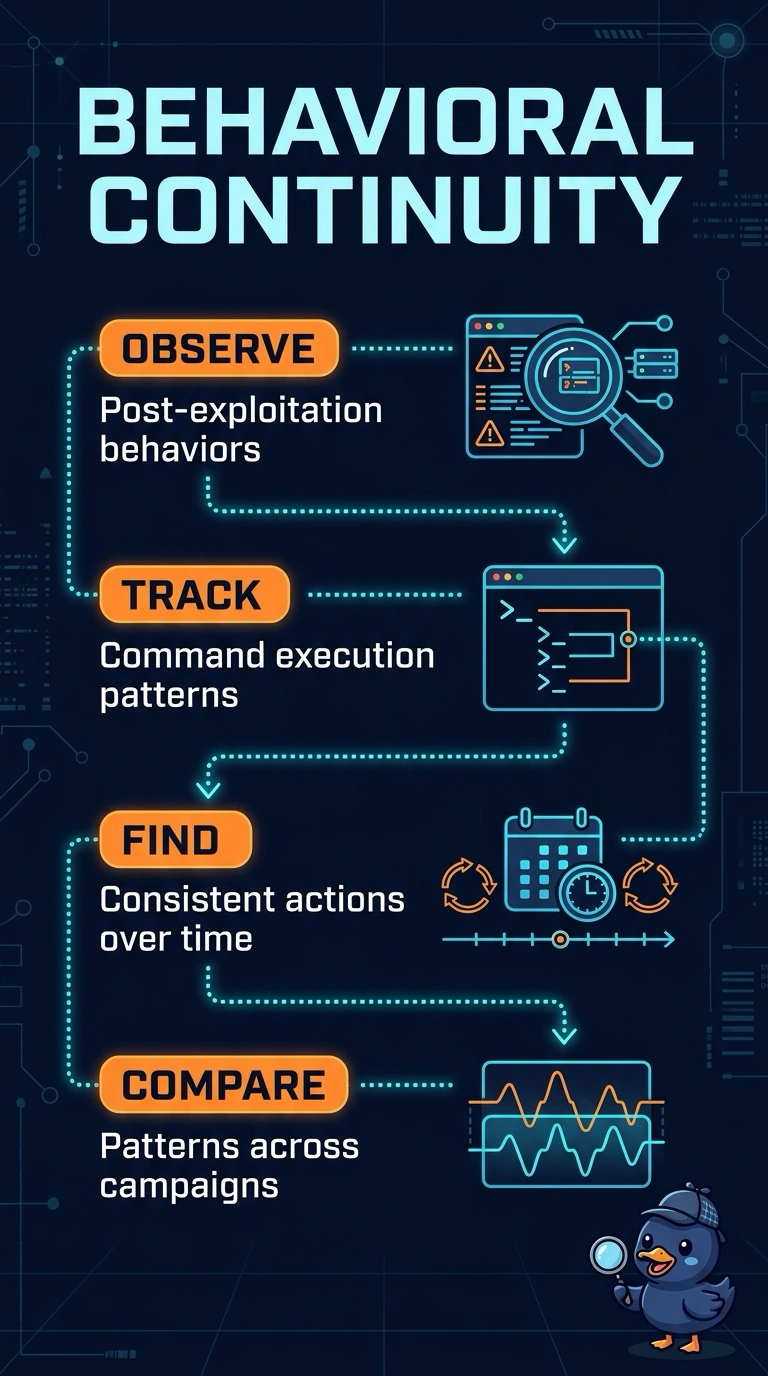
If an adversary changes servers and recompiles payloads every two days, chasing their IPs and hashes is like trying to catch fog with a net. The trap is relying on disposable infrastructure indicators that cost the attacker almost nothing to replace. Focusing on your target's consistent behaviors gives you a durable way to link campaigns over time.
Full Explanation
On the Pyramid of Pain, tactics, techniques, and procedures sit at the top because they reflect deeply ingrained operator habits, making Consistent post-exploitation behaviors and command execution patterns the most durable basis for cross-campaign tracking. Even when payloads and servers rotate rapidly, adversaries tend to repeat familiar discovery commands, staging directories, and lateral movement workflows. By contrast, Static cryptographic file hashes of first-stage droppers change completely whenever a binary is recompiled or slightly modified. Similarly, Source IP addresses observed during initial scanning are trivial to rotate across leased cloud instances or compromised relays. Likewise, Newly registered command-and-control domain names can be replaced rapidly when defenders block them. Caveat: shared public attack playbooks can cause unrelated groups to exhibit similar commands, so correlate multiple behaviors before concluding attribution. As an operational check, document recurring command sequences and execution patterns as behavioral analytics rather than relying solely on indicator blocklists.