
A 64-year-old man with type 2 diabetes takes both acarbose and glimepiride and asks what he should carry to treat a mild hypoglycemic episode of 58 mg/dL. Which treatment option should the diabetes care and education specialist recommend?
Select an answer to reveal the explanation.
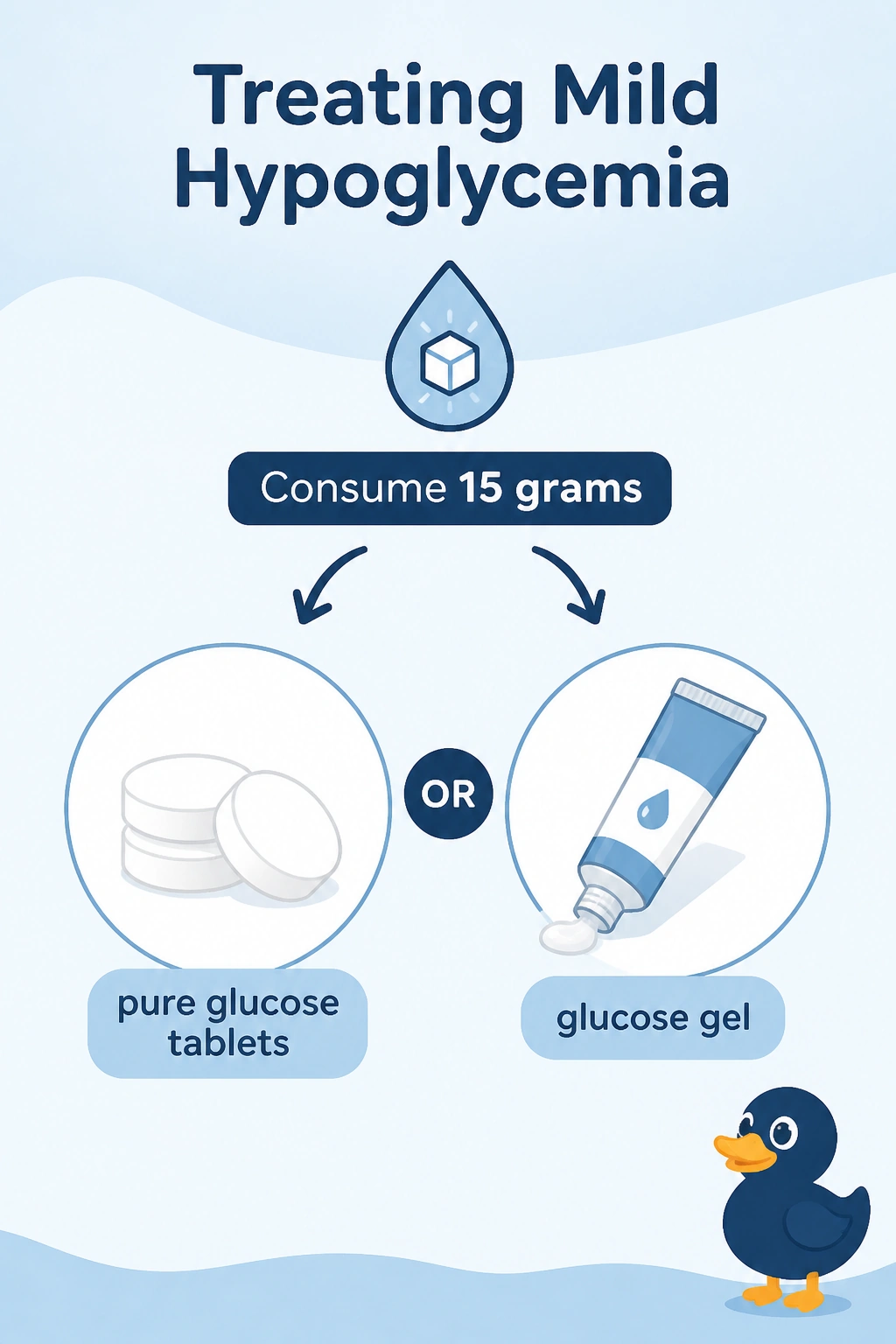
Short Explanation
When you’re taking acarbose, pure glucose is the reliable fast-acting choice because it bypasses the enzyme block. Table sugar and sucrose candy may be digested too slowly, while a granola bar is not absorbed quickly enough to treat a low.
Full Explanation
Acarbose slows the breakdown of complex carbohydrates and disaccharides such as sucrose into absorbable sugars in the small intestine. For a mild hypoglycemic episode while taking acarbose with glimepiride, consume 15 grams of pure glucose tablets or glucose gel: glucose is a monosaccharide that can be absorbed directly without alpha-glucosidase cleavage. Dissolving two packets of regular table sugar in water relies on sucrose, so acarbose can delay its digestion and the rise in blood glucose. Eating three hard peppermint candies made with sucrose has the same limitation; the sugar may not be broken down quickly enough for timely recovery. Chewing two bites of a baked granola bar with honey is also unsuitable for acute treatment because its starches, fiber, and other ingredients slow absorption. Exam caveat: when acarbose is being taken, choose glucose rather than sucrose for low-blood-glucose treatment. Because glimepiride can contribute to hypoglycemia, a low may need continued attention even after initial treatment. Practical check: ask the person to show the rescue item carried in a pocket or bag and verify that its label identifies glucose or dextrose.
Prefer to study offline? Printable PDF study book + test engine ($7.50, unofficial). These questions stay free here.