
A consultant is advising a customer that wants a scalable implementation. For IBM Certified watsonx Governance Lifecycle Advisor, the topic is fairness evaluation. What should the team do?
Select an answer to reveal the explanation.
Short Explanation and Infographic
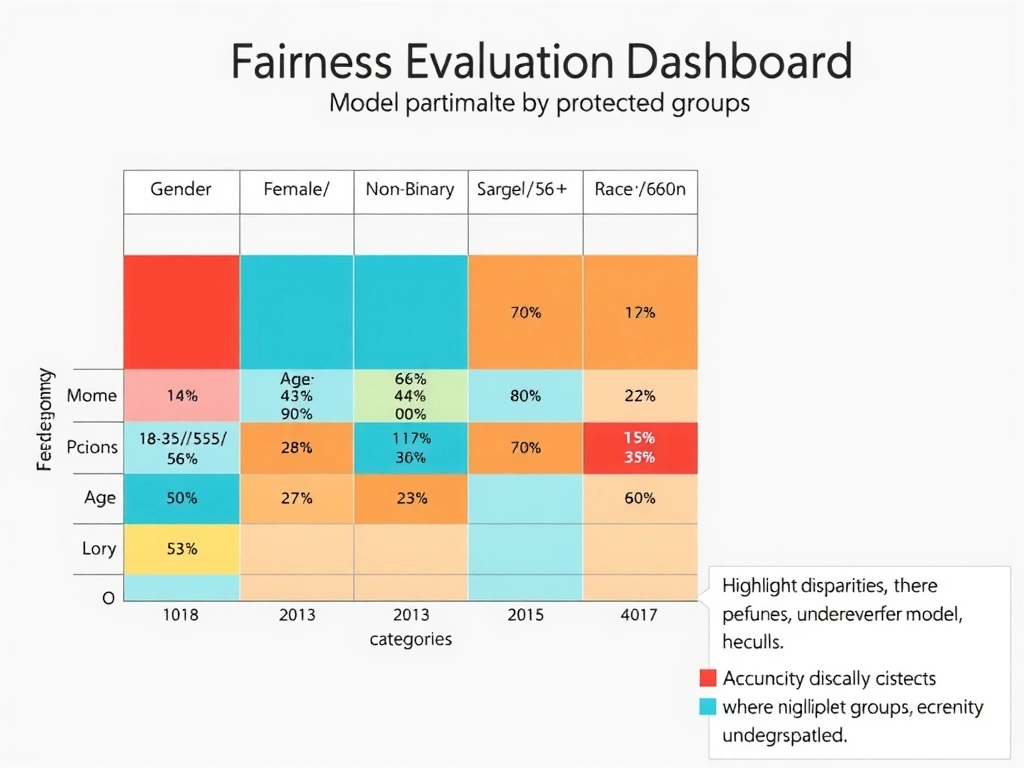
Fairness is like fitting everyone in a restaurant—average service scores mean nothing if women always wait longer. You need to measure outcomes separately for each group that matters: protected classes, marginalized populations, underserved demographics. That's how you spot and fix real bias, not just hide it in averages!
Full explanation below image
Full Explanation
The correct answer is a. Fairness evaluation requires disaggregating results by protected groups (age, gender, race, disability status, etc.) and relevant populations where differential impact risks exist. This reveals bias that aggregate metrics mask. Option b (aggregate accuracy hides disparities)—a model can have 95% overall accuracy while performing at 60% for a protected group. Option c (skipping fairness for sensitive data) is backwards; sensitive data handling requires MORE fairness scrutiny, not less. Option d (majority group only) perpetuates bias against minorities. IBM watsonx.governance fairness evaluation mandates assessing outcomes across all relevant demographic and population segments to identify and remediate disparities before deployment.