
An administrator is troubleshooting a pilot deployment and wants the most appropriate next step. What is the best way to handle inventory accountability while staying aligned with the certification objectives?
Select an answer to reveal the explanation.
Short Explanation and Infographic
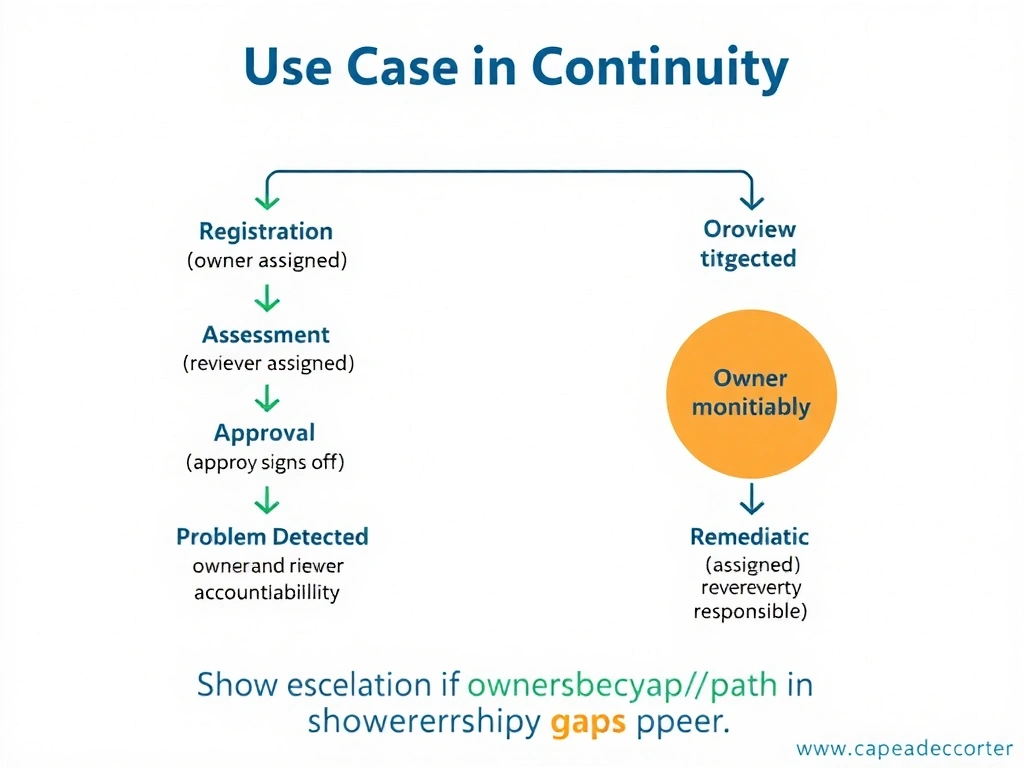
Think of ownership like signing a contract—when you put your name on it, you stay responsible for its terms. The owner of an AI use case must keep it current, respond to reviews, and fix problems when they're found. That accountability is what keeps governance from becoming theater. Clear ownership means clear consequences!
Full explanation below image
Full Explanation
The correct answer is c. Sustained accountability requires that owners and reviewers remain identifiable and responsible throughout the AI use case lifecycle. This includes updating documentation when conditions change, responding to assessment findings, and executing remediation when risks emerge. Option a (expiring ownership) creates orphaned use cases that drift away from governance. Option b (anonymous owners) destroys accountability and audit trails—you can't hold someone responsible if you don't know who they are. Option d (no remediation tasks) means problems never get fixed. IBM watsonx.governance ties accountability to named individuals with clear ownership and review responsibilities, ensuring governance remains active and problems get remediated.