
A team is preparing a production rollout and needs to avoid a design mistake. What is the best way to handle governance operating model while staying aligned with the certification objectives?
Select an answer to reveal the explanation.
Short Explanation and Infographic
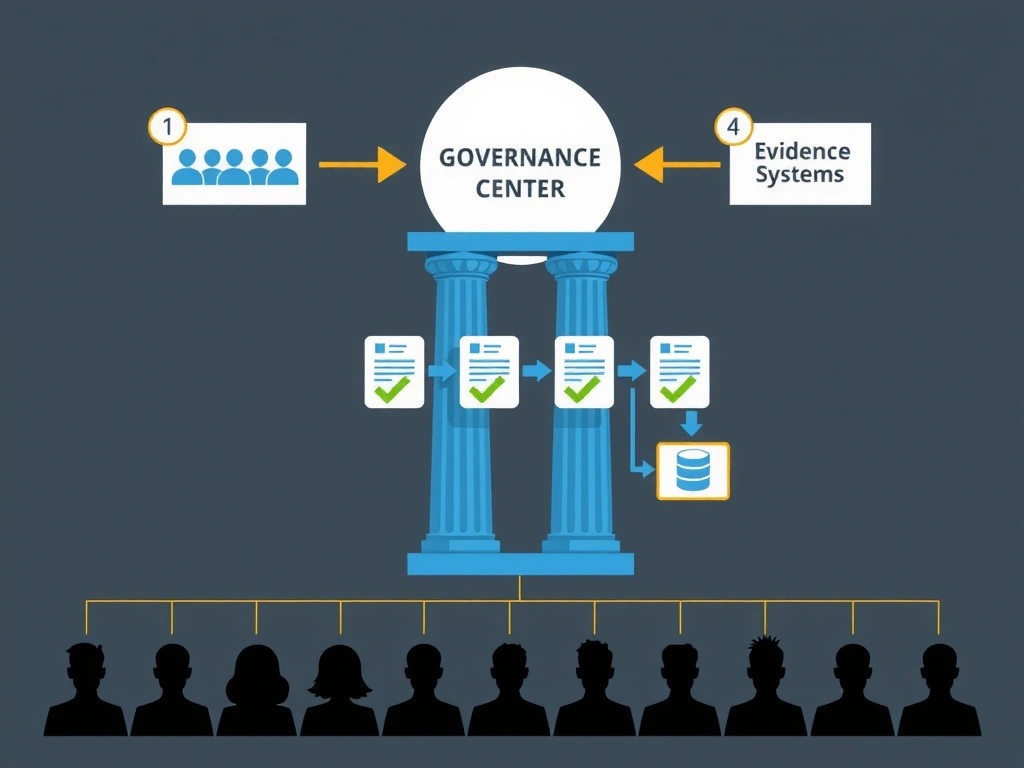
Picture a company with 50 teams, each running AI differently—chaos! The right move is to create a governance operating model: clear ownership, shared policies, standardized workflows, and a system that keeps evidence. It's like having a constitution instead of 50 different house rules. That structure lets you scale safely because every team speaks the same language and follows the same guardrails. Growth without governance is just managed risk.
Full explanation below image
Full Explanation
The correct answer is c. A scalable AI governance operating model requires defining clear ownership (who is accountable), consistent policies (rules everyone follows), standardized workflows (approval processes), and evidence systems (records of decisions). This structure enables consistent governance across multiple teams and use cases. Option a is chaotic because every team inventing its own approval path creates inconsistency, duplicated effort, and gaps where some paths miss critical controls. Option b is inadequate because chat-based approvals are informal, unsearchable, and don't constitute permanent audit evidence; governance requires documented, traceable records. Option d is naive because governance without controls is merely aspiration; real control requires defined roles, policies, workflows, and evidence collection built into systems.