
A platform team wants to create an Instana Application Perspective that captures all calls associated with services tagged kubernetes.namespace.name=payments OR where the service name equals payment-gateway. Which approach correctly defines this multi-condition scope within an Application Perspective?
Select an answer to reveal the explanation.
Short Explanation and Infographic
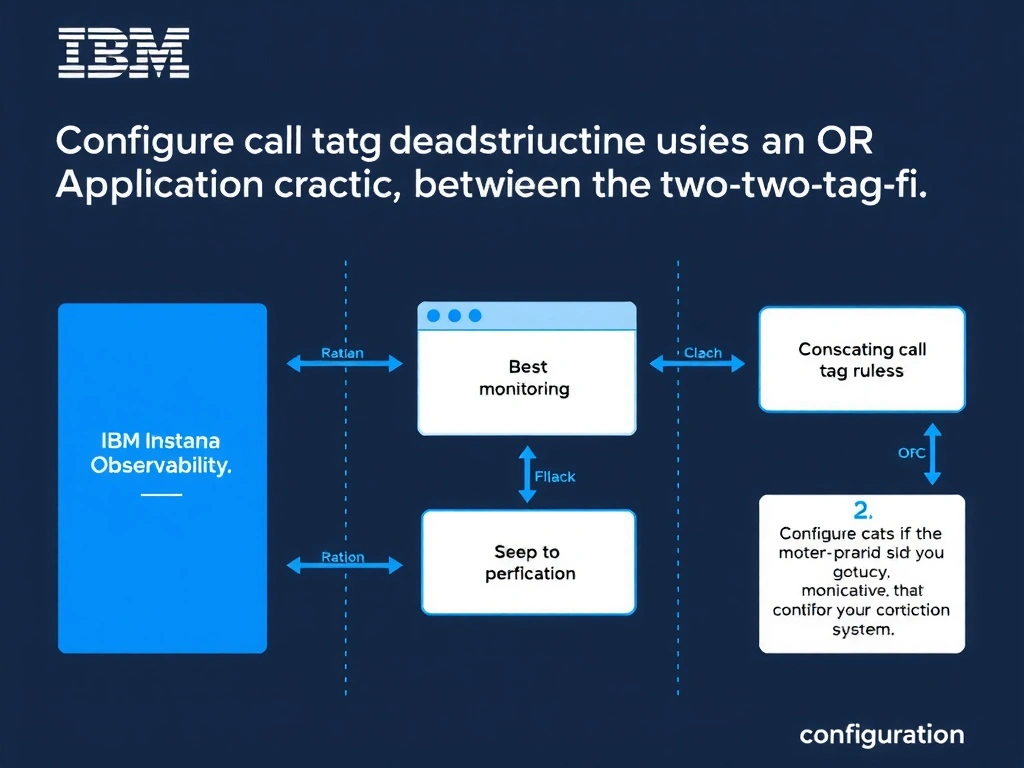
Application Perspectives use tag-based rules evaluated against individual calls or spans. Rules support multiple tag conditions combined with AND or OR logic, enabling flexible service grouping across dimensions like Kubernetes metadata and service names. Configuring an OR condition between kubernetes.namespace.name=payments and service.name=payment-gateway captures all qualifying calls from either scope into a single perspective.
Full explanation below image
Full Explanation
Application Perspectives use tag-based rules evaluated against individual calls or spans. Rules support multiple tag conditions combined with AND or OR logic, enabling flexible service grouping across dimensions like Kubernetes metadata and service names. Configuring an OR condition between kubernetes.namespace.name=payments and service.name=payment-gateway captures all qualifying calls from either scope into a single perspective. The correct answer is 'Configure call tag rules in the Application Perspective using an OR condition between the two tag filters'. The incorrect options — 'Create two separate Application Perspectives and link them using a parent-child dependency relationship', 'Use Infrastructure Map grouping rules to filter by namespace and service name simultaneously', 'Apply a monitoring profile filter scoped to the payments namespace and payment-gateway service name' — are wrong because they do not align with IBM Instana's architecture or recommended practices for this scenario. Understanding this concept is essential for the Domain 2: Configuration domain of the IBM Instana Observability certification.