
An Instana operator sees both 'Issues' and 'Incidents' in the Events view and asks a colleague to explain the difference. Which explanation is correct?
Select an answer to reveal the explanation.
Short Explanation and Infographic
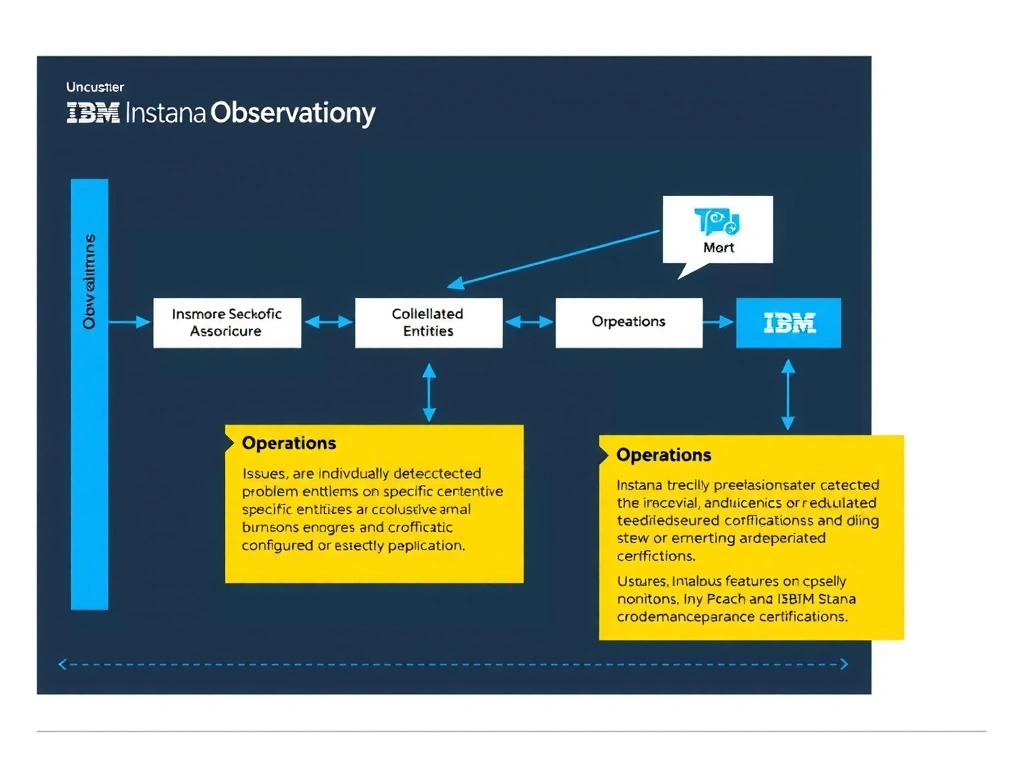
In Instana's event model, an Issue is a single detected problem on a specific monitored entity—for example, elevated error rate on one service or high CPU on one host. An Incident is a higher-level construct that groups correlated issues, triggered by configured incident rules, to represent a broader service-impacting event. This two-level model lets operators understand both individual symptoms and the overall impact.
Full explanation below image
Full Explanation
In Instana's event model, an Issue is a single detected problem on a specific monitored entity—for example, elevated error rate on one service or high CPU on one host. An Incident is a higher-level construct that groups correlated issues, triggered by configured incident rules, to represent a broader service-impacting event. This two-level model lets operators understand both individual symptoms and the overall impact. Incidents are automatically created by incident rules, not solely by manual operator action. The correct answer is 'Issues are individually detected problems on specific entities; incidents are correlated groupings of related issues indicating broader service impact'. The incorrect options — 'Issues are application-layer problems while incidents are infrastructure-layer problems', 'Issues are generated automatically by Instana while incidents must always be triggered manually by operators', 'Issues close automatically after one hour while incidents remain open until manually resolved' — are wrong because they do not align with IBM Instana's architecture or recommended practices for this scenario. Understanding this concept is essential for the Domain 1: Operations domain of the IBM Instana Observability certification.