
A project lead is turning a proof of concept into a governed production workflow. What is the best way to handle governance practices while staying aligned with the certification objectives?
Select an answer to reveal the explanation.
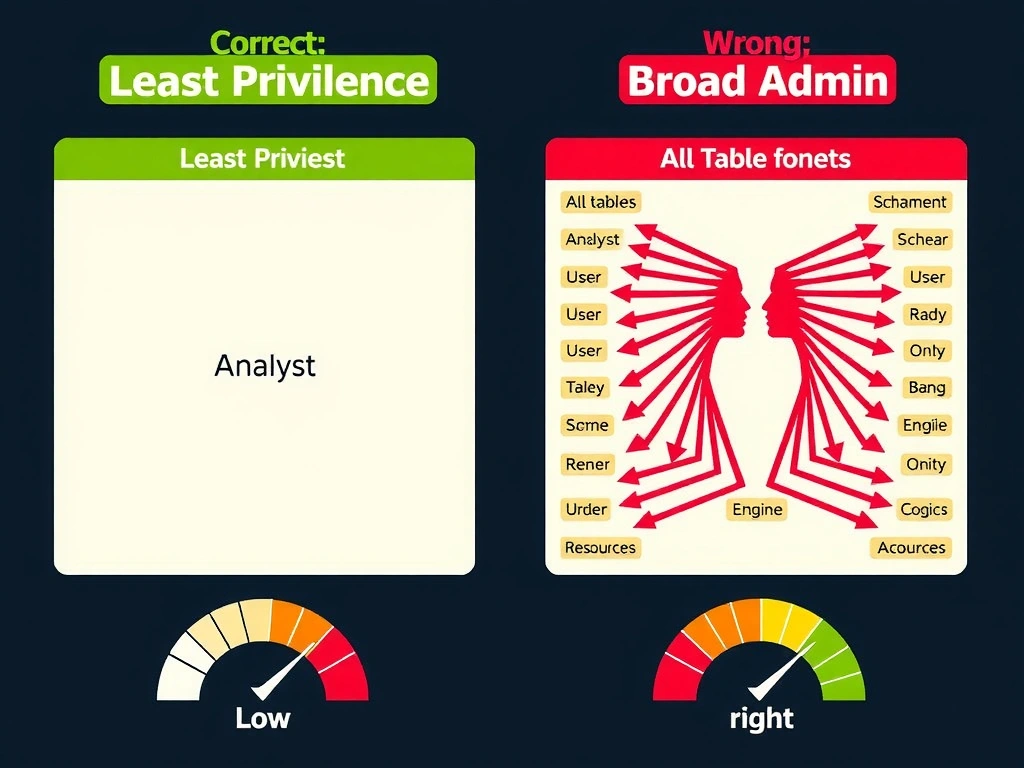
Short Explanation and Infographic
In watsonx.data, governance is operationalized through four controls: access control (who sees what), metadata (what the data means), lineage (where the data came from and where it goes), and policy enforcement (what can be done with it). These controls work together through the unified catalog, and they apply consistently regardless of which query engine or consumption tool a user employs. The exam tests whether candidates understand governance as a cross-cutting concern, not a feature of a single tool.
Full explanation below image
Full Explanation
The correct answer is option D: Apply access control, metadata, lineage, and policy controls so lakehouse data remains trustworthy.. This aligns with IBM's IBM watsonx.data platform architecture guidance, which emphasizes apply access control, metadata, lineage, and policy controls so lakehouse data remains trustworthy as the recommended approach for production deployments. Option A (Let analysts manage permissions with copied CSVs) is incorrect because it either bypasses IBM's recommended architecture or introduces operational risk that the correct approach is specifically designed to avoid. Option B (Remove schema definitions to stay flexible) is incorrect because it either bypasses IBM's recommended architecture or introduces operational risk that the correct approach is specifically designed to avoid. Option C (Govern only dashboard outputs, not source data) is incorrect because it either bypasses IBM's recommended architecture or introduces operational risk that the correct approach is specifically designed to avoid. Understanding this distinction is critical for the C9007300 exam: IBM watsonx.data is designed to enforce governance, performance, and operational best practices through its built-in architecture, and the correct answers consistently reflect those architectural constraints rather than shortcut alternatives.