
A municipal utility assigns a single technician to inspect remote pump stations across a rural county during evening hours, where cell service is intermittent. Which administrative and communication control best reduces the risk of delayed emergency response for this lone worker?
Select an answer to reveal the explanation.
Short Explanation
If your technician slips or collapses in a dead zone, nobody knows to send help unless a missed check-in rings an alarm. The trap is relying on passive supplies or posted phone numbers that cannot summon aid when a worker is incapacitated.
Full Explanation
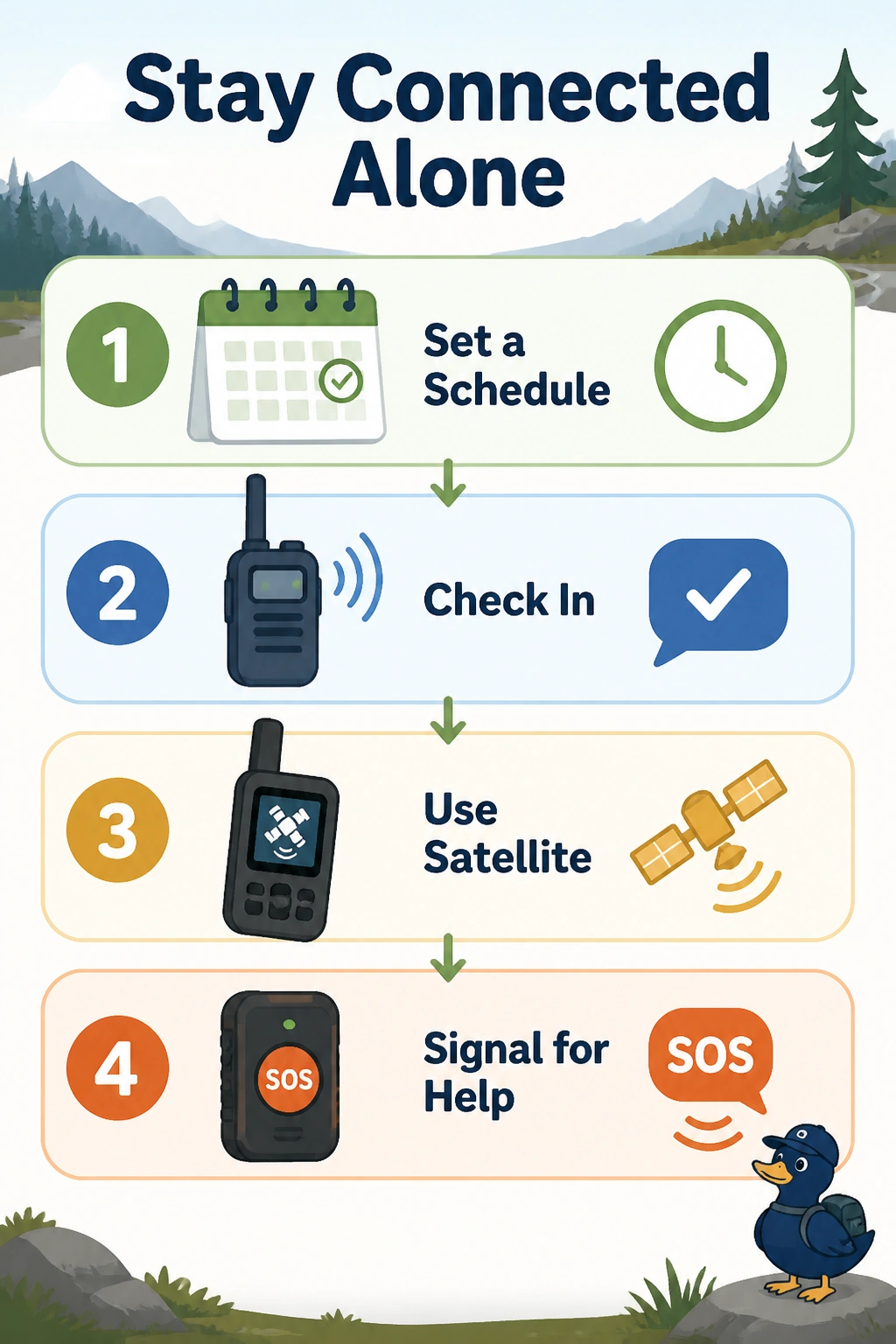
Lone-worker safety depends on active monitoring and reliable communication when cellular coverage fails, making Using scheduled check-ins with a satellite or two-way panic device the most effective control to prevent delayed rescue. A timed check-in protocol triggers an immediate escalation if the technician misses a window or activates a man-down or panic alert. Requiring the technician to carry a standard first-aid kit in the truck helps treat minor injuries when the worker is conscious, yet it does nothing to alert dispatch if the worker is immobilized. Conducting an annual review of pump station maintenance logs at headquarters is a backward-looking administrative audit with no real-time protective value during evening rounds. Posting emergency phone numbers on the pump station interior control door fails both when cell service is unavailable and when an injured worker cannot reach a phone. As a caveat, communication devices only work when dispatch has clear escalation procedures and exact GPS or station coordinates. Operationally, test satellite check-ins at every remote station before solo dispatch.
Prefer to study offline? Printable PDF study book + test engine ($7.50, unofficial). These questions stay free here.