
A county procurement office wants to strengthen public accountability and reduce repetitive records requests after citizens and local journalists express concern over how taxpayer funds are spent on professional services. Which business practice best advances this goal?
Select an answer to reveal the explanation.
Short Explanation
Proactive transparency is like putting a glass front on the treasury instead of making taxpayers knock on a locked door. Hiding vendor names or waiting for individual records requests fuels suspicion and extra paperwork—you build public trust and cut routine inquiries by publishing award data openly.
Full Explanation
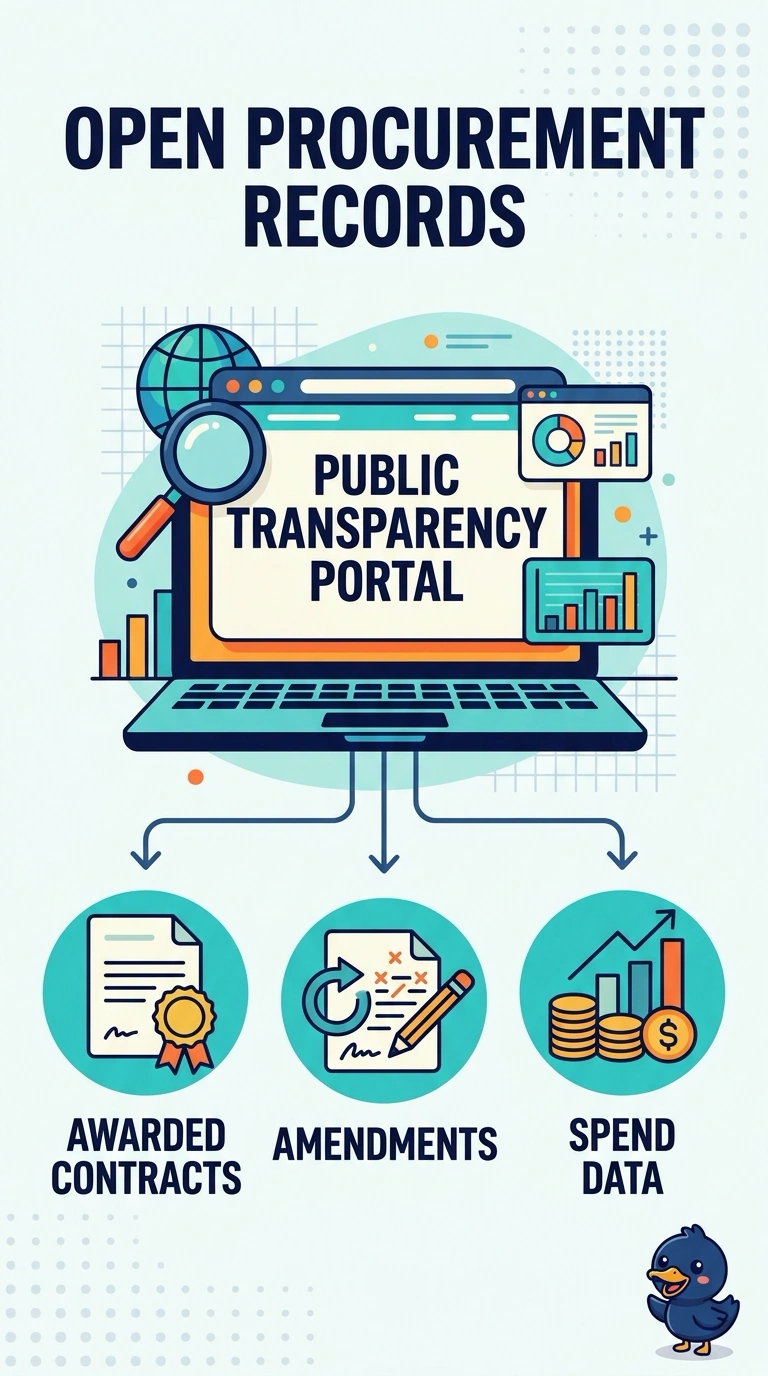
Open-government procurement principles treat accessible contract data as a cornerstone of public accountability and administrative efficiency. Choosing to Maintain a public transparency portal showing awarded contracts, amendments, and spend data empowers taxpayers to verify competitive outcomes, discourages favoritism, and satisfies routine informational inquiries without staff manually fulfilling repetitive requests. To Post a contract on the portal only after a person files a records request for that contract keeps disclosure reactive rather than proactive, preserving repetitive requests and manual staff work instead of reducing them. To Publish only annual aggregate spending totals without listing contractor names or amendments obscures who received public funds and whether original contract values grew through modifications. To Limit contract visibility to internal department heads through password-protected spreadsheets keeps external stakeholders in the dark and fails to demonstrate public stewardship. Caveat: before publishing contract documents to an open portal, procurement staff must redact statutorily protected personal data, security details, and verified trade secrets. Operational check: establish a monthly automated feed from the ERP or e-procurement system to the public portal and audit published fields for accuracy.
Prefer to study offline? Printable PDF study book + test engine ($7.50, unofficial). These questions stay free here.