During an audit of travel and entertainment (T&E) records, the internal audit department discovers a consistent pattern of high-value, poorly documented spending by sales executives in a jurisdiction flagged for high corruption risks. From a compliance perspective, how should this finding be classified and addressed?
Select an answer to reveal the explanation.
Short Explanation and Infographic
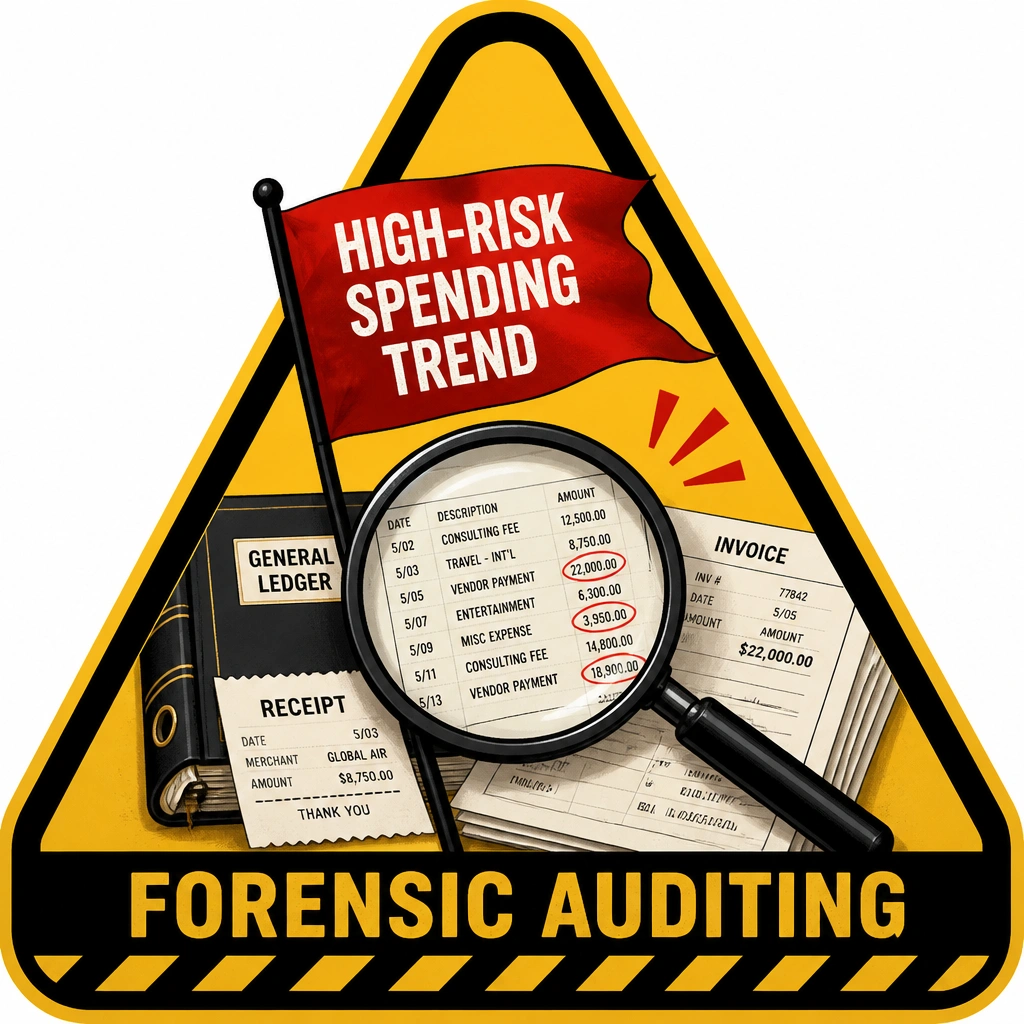
Pay close attention here, because this scenario bites companies in the real world all the time. Imagine your internal audit team finds a sales rep in a high-risk country spending thousands of dollars on 'lavish dinners' for local officials with zero receipts. If you just shrug and say, 'Wow, they must be working hard!' or 'We need to renegotiate our hotel rates,' you are setting yourself up for a massive FCPA disaster. In the compliance world, excessive and undocumented spending in a high-risk region is a screaming red flag. It means someone might be using corporate funds to bribe government officials or business partners. You have to hand this over to forensic investigators immediately to dig into the details and find out where that money is actually going. Trust me, ignoring a red flag like this is how companies end up on the front page of the news for all the wrong reasons.
Full explanation below image
Full Explanation
In compliance risk management, certain transaction patterns act as "red flags"—indicators of potential illicit activity that demand formal inquiry. Under anti-corruption frameworks like the Foreign Corrupt Practices Act (FCPA) and the UK Bribery Act, travel, gifts, and entertainment are common conduits used to pass value to government officials or commercial partners in exchange for business advantages. When an audit identifies a pattern of excessive, poorly documented spending in a high-risk region, the primary compliance response is to treat this as a high-risk red flag. The organization must initiate a forensic investigation, led by compliance or specialized internal auditors, to review expense reports, receipts, emails, and interview personnel. This investigation determines if the funds were used for bribery or if they represent fraud or policy violations. Let's analyze the incorrect choices: - Option A is incorrect because focusing on bulk corporate rates addresses operational cost-saving, completely ignoring the legal and regulatory risks associated with potential bribery. - Option C is incorrect because assuming that high, undocumented spending is merely a sign of a "busy" sales team overlooks the risk of regulatory violations, representing a failure of compliance oversight. - Option D is incorrect because recommending an increase in policy limits without investigating the underlying transactions assumes the spending is legitimate and bypasses the necessary investigative steps required to rule out illegal payments. Regulators expect companies to not only perform audits but to also take prompt, decisive investigative action when high-risk patterns are detected.