
A compliance officer receives a credible report that an employee committed a minor infraction of the corporate travel and entertainment policy by failing to submit a receipt for a $15 business lunch. What is the most appropriate and professional response?
Select an answer to reveal the explanation.
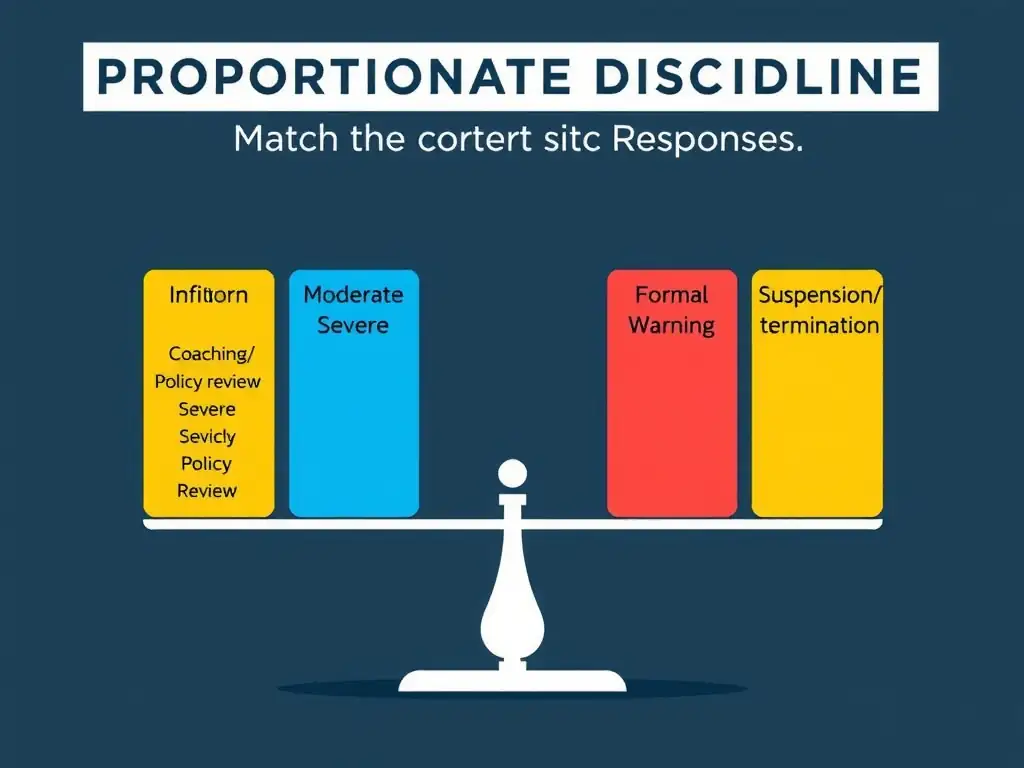
Short Explanation
Compliance isn't about using a sledgehammer to swat a fly. For a forgotten receipt on a fifteen-dollar lunch, you want a proportionate response, like a verbal reminder and a quick policy review. That fixes the issue, keeps morale intact, and saves your big guns for serious misconduct.
Full Explanation
An effective compliance program must enforce disciplinary standards and corrective actions consistently and proportionately. When responding to minor, non-systemic policy violations, a compliance officer should implement a response that matches the severity of the infraction. A proportionate response, such as a verbal warning, counseling, or targeted retraining on the specific policy, helps reinforce the organization's compliance culture without causing unnecessary disruption or wasting corporate resources. Ignoring minor infractions is unacceptable, as it can erode the program's credibility and create a culture of complacency. Conversely, disproportionately harsh measures can damage employee trust and discourage future self-reporting. The comprehensive, multi-departmental investigation using external forensic accountants is incorrect because launching a large-scale, expensive investigation for a minor policy infraction is an inefficient use of resources and is highly disproportionate. The immediate termination of the employee to demonstrate zero tolerance is incorrect because firing someone for a minor administrative error is overly punitive and inconsistent with standard progressive discipline models. The proportionate corrective action, such as a verbal reminder and a review of the expense submission policy with the employee, is correct because it provides a balanced, proportionate, and educational way to correct a minor infraction. The choice to disregard the report entirely because the dollar amount falls below the formal materiality threshold is incorrect because ignoring any known policy violation undermines the enforcement integrity of the compliance program.