
A multinational enterprise is onboarding a new distributor in a region known for high corruption risk. Why must the compliance team perform a structured third-party risk assessment prior to finalizing the agreement?
Select an answer to reveal the explanation.
Short Explanation
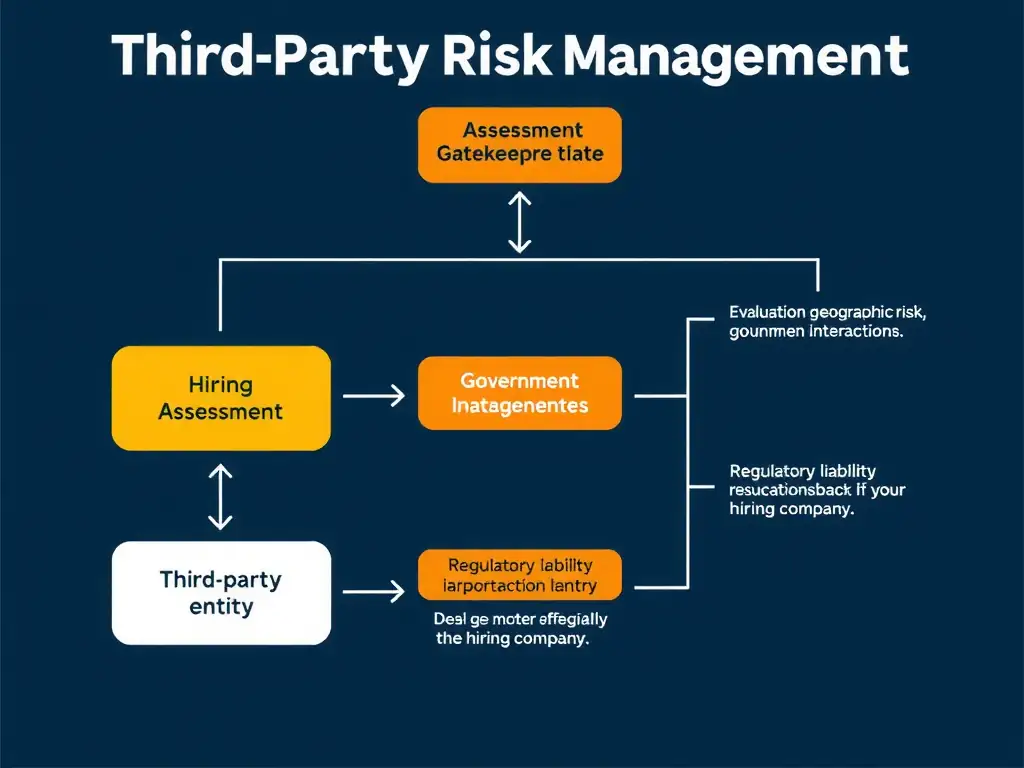
When you bring on a distributor, you're not just buying their reach—you're inheriting their compliance risk. If they bribe someone on your behalf, regulators can come after your company. That's why you assess their actions and business practices before signing.
Full Explanation
The primary objective of a third-party risk assessment is to evaluate the risk that a third-party partner's actions could lead to a compliance violation or legal liability for the hiring organization. Under international anti-corruption frameworks, such as the United States foreign corrupt practices act and the United Kingdom bribery act, organizations can be held criminally liable for corrupt activities conducted by third parties acting on their behalf. Therefore, robust due diligence and risk assessments are essential preventative controls to identify potential compliance gaps, corruption risks, or ethical concerns before establishing a business relationship. The correct answer is the statement that evaluates whether the distributor's actions and business practices could expose the enterprise to regulatory or compliance violations, because it directly addresses mitigation of regulatory liability stemming from third-party conduct. The statement about negotiating the lowest possible service fees and payment schedules is incorrect because cost negotiation is a procurement and finance function, not the primary objective of a compliance risk assessment. The statement about verifying that the distributor's internal payroll systems align with the enterprise's accounting software is incorrect because aligning payroll software is an information-technology or accounting integration concern, unrelated to identifying compliance risks. The statement about auditing the distributor's historical employee attendance records and marketing campaigns is incorrect because employee attendance and marketing campaigns are operational metrics that do not address the core compliance risk of third-party violations.