
A company's marketing division launches an aggressive advertising campaign containing unsubstantiated and false performance claims about a medical device. What is the most severe risk this campaign poses to the organization?
Select an answer to reveal the explanation.
Short Explanation
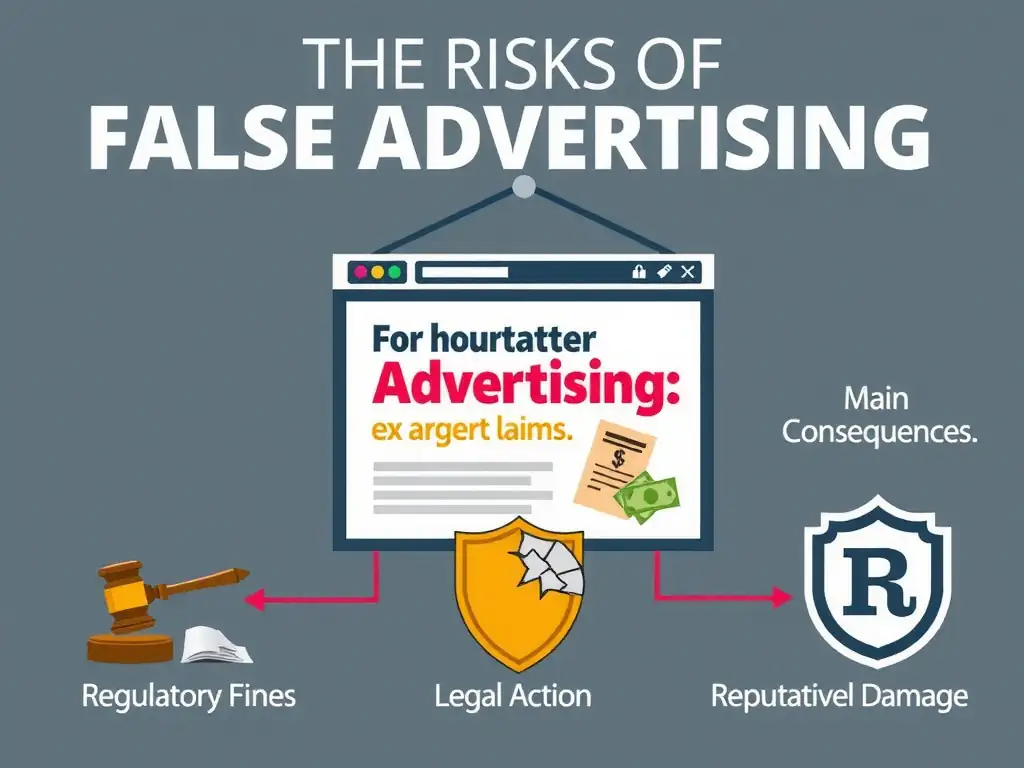
When you make false performance claims in a medical device ad, you're inviting regulators, class-action attorneys, and public backlash. You can face fines, lawsuits, and brand trust destruction. Keep claims substantiated, or you're playing with fire.
Full Explanation
Misleading or false advertising, including unsubstantiated performance claims about a medical device, represents a severe compliance risk that spans multiple legal and regulatory domains. Regulatory bodies, such as the Federal Trade Commission in the United States and equivalent international authorities, strictly enforce truth-in-advertising standards. The organization facing regulatory enforcement, costly class-action lawsuits, heavy fines, and severe loss of brand trust is correct because the consequences of deceptive advertising are multi-faceted and highly damaging. First, the organization faces legal action from regulatory agencies, which can result in injunctions, corrective advertising mandates, and substantial civil penalties. Second, it exposes the company to private civil litigation, including class-action lawsuits filed by misled consumers seeking damages. Finally, the resulting negative publicity can cause long-term reputational damage, leading to a loss of customer trust and a decline in market share and valuation. The advertisement failing to gain traction on major social media platforms, resulting in low audience engagement, is incorrect because low audience engagement, while disappointing to the marketing department, is a business performance issue rather than a critical compliance or legal risk. The production costs of the campaign exceeding the marketing department's pre-approved quarterly budget is incorrect because budget overruns represent an internal financial control issue. While concerning, it is far less severe than the legal and reputational threats posed by fraudulent claims. The creative style of the campaign being criticized by advertising industry peers during annual awards is incorrect because losing the approval of industry peers or missing out on design awards is a minor creative concern and has no bearing on the company's legal liability or survival.