A compliance hotline receives an anonymous tip alleging that a regional manager is accepting kickbacks from a supplier. To ensure the integrity of the compliance program, how should the compliance team handle this report?
Select an answer to reveal the explanation.
Short Explanation and Infographic
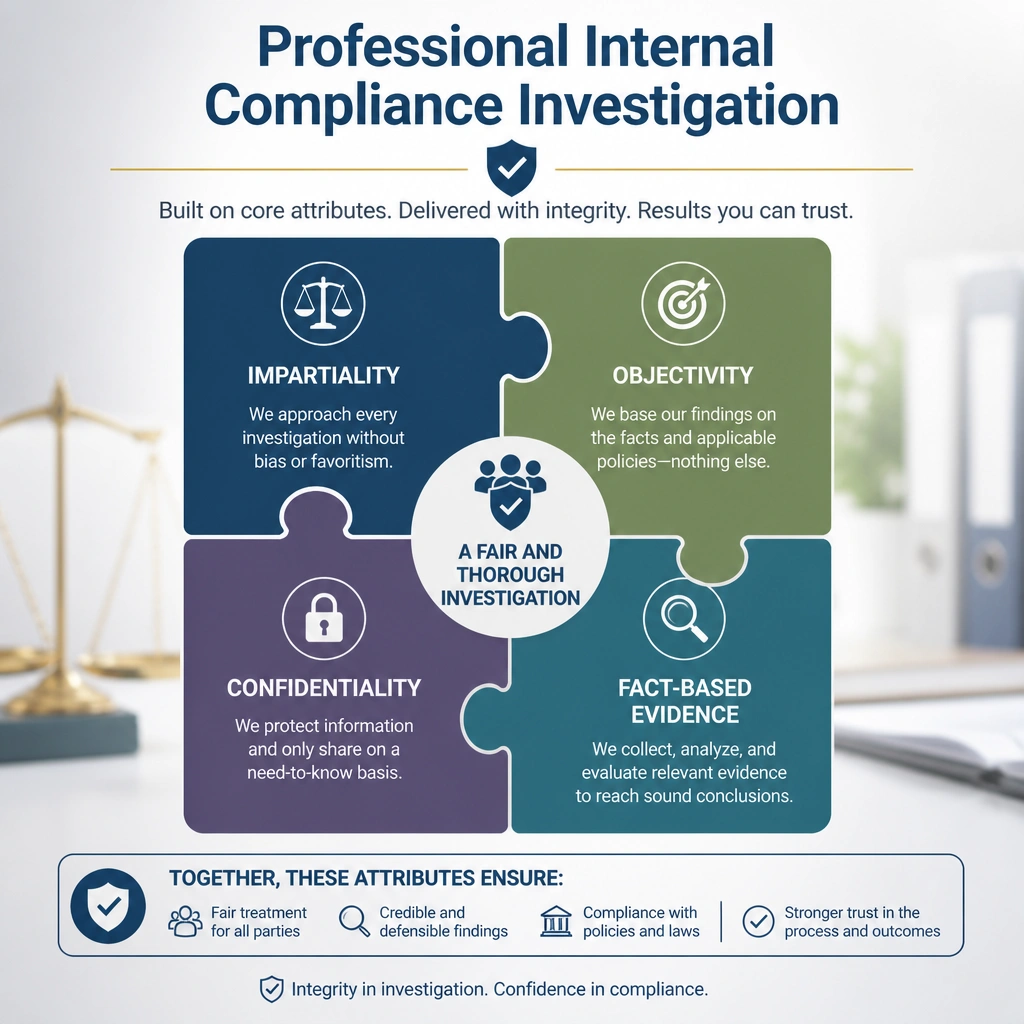
Look, when someone has the courage to speak up and report something fishy, you have to handle it with extreme care. You don't run around telling everyone, and you definitely don't jump to conclusions without facts. The absolute golden rule here is to run an investigation that is fair, objective, and kept strictly confidential. If employees see that reports lead to gossip or unfair treatment, they'll shut down, and your compliance program is dead in the water. Trust me on this—protect the process and stick to the facts.
Full explanation below image
Full Explanation
The correct answer is A, "Initiate an impartial, objective, and confidential investigation into the allegations." When a potential violation of the Code of Conduct or law is reported, the compliance department has a duty to investigate the matter thoroughly and objectively. Key components of a defensible investigation include ensuring the investigator is impartial, gathering and documenting factual evidence, and maintaining confidentiality to the greatest extent possible to protect both the reporter and the accused. Failing to handle investigations properly can lead to retaliation, loss of trust in the reporting system, and potential legal liability. A successful investigation operates as a critical detective control, helping management identify operational weaknesses and remediate them before they draw regulatory actions.
Let's look at the distractors to see why they are incorrect: - B (Disclose the informant's identity to the regional manager to facilitate a direct confrontation) is incorrect because exposing a whistleblower's identity violates confidentiality, highly discourages future reporting, and creates a significant risk of retaliation, which is prohibited under major compliance standards (e.g., Sarbanes-Oxley, EU Whistleblower Directive). - C (Suspend the regional manager immediately without gathering initial evidence) is incorrect because it violates the principle of objectivity and due process. Actions should be based on credible evidence gathered during a preliminary inquiry, rather than immediate, reactive assumptions of guilt. - D (Publicly post details of the allegation on the company's internal intranet to promote transparency) is incorrect because publicizing unverified allegations violates privacy and confidentiality standards, destroys the integrity of the investigation, and can lead to defamation claims or corporate disruption. Transparency must be balanced with confidentiality during active reviews.