
A compliance department initiates a comprehensive gap analysis of the organization's current ethics and compliance program. What is the primary purpose of conducting a compliance gap analysis?
Select an answer to reveal the explanation.
Short Explanation
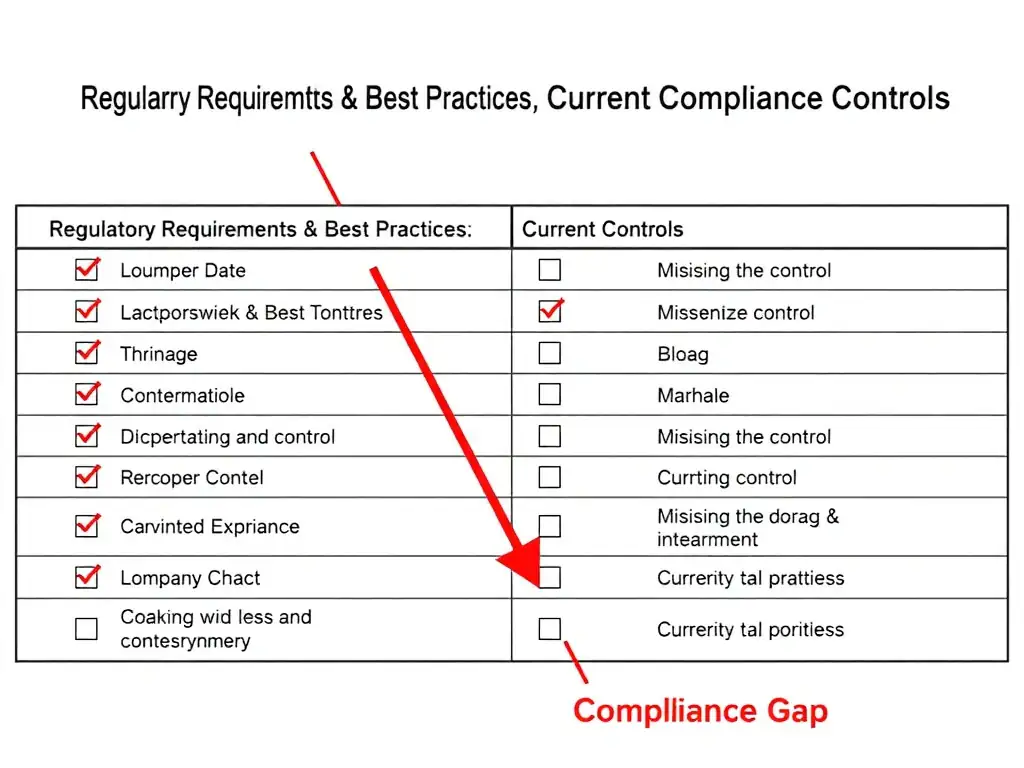
Think of a gap analysis like taking your compliance program in for a diagnostic check. It compares what you're doing against what regulators and industry standards require, so you can find the holes and patch them before a regulator shows up.
Full Explanation
A compliance gap analysis is a proactive management tool used to assess the current state of an organization's compliance program against a defined benchmark, such as regulatory guidelines (e.g., DOJ evaluation criteria, Federal Sentencing Guidelines) or international standards (e.g., ISO 37301). The primary goal is to identify gaps, meaning areas where the company's policies, procedures, risk assessments, training, or monitoring activities are absent, insufficient, or misaligned with legal mandates and industry best practices. The correct choice says exactly that: it identifies specific areas where existing controls, policies, or procedures fail to align with regulatory requirements or industry best practices. By identifying these deficiencies, the compliance department can prioritize remediation efforts, allocate resources efficiently, and strengthen the overall control environment before regulatory violations occur. The choice about identifying employees who are planning to resign or have low engagement scores is incorrect because tracking employee turnover risk and flight risk is a human resources function, typically handled through retention surveys, exit interviews, and talent management processes. The choice about measuring employee satisfaction levels regarding the compliance department's customer service and communication style is incorrect because while employee feedback is valuable, measuring satisfaction with the compliance department is a survey metric, not the comprehensive regulatory and control mapping that defines a gap analysis. The choice about analyzing and comparing the company's quarterly financial earnings and profit margins against its primary industry competitors is incorrect because comparing financial performance against competitors is a business strategy and financial benchmarking exercise, which is completely separate from evaluating compliance program gaps. Conducting a gap analysis is a critical step in the continuous improvement cycle of a compliance program, ensuring the organization maintains a defensible and effective compliance framework.