
A multinational corporation is rolling out a complex new anti-money laundering (AML) and sanctions compliance policy across offices in twenty countries. What is the most effective method to ensure comprehensive understanding and adherence across the global workforce?
Select an answer to reveal the explanation.
Short Explanation
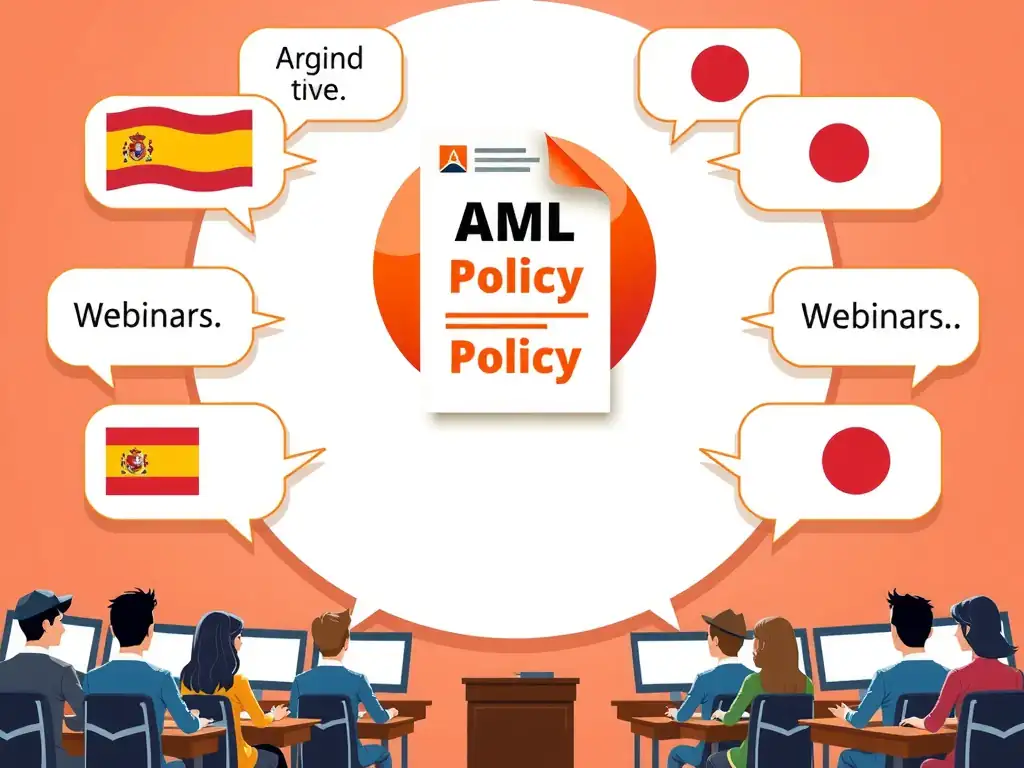
If you've got employees scattered across twenty countries, you can't just send a massive, technical English policy and expect real understanding. Translate the anti-money laundering policy into local languages, then back it up with localized online and in-person training plus interactive question-and-answer sessions so people can ask questions and get real answers.
Full Explanation
When implementing compliance policies across a global organization, companies must overcome language, cultural, and operational barriers. Simply publishing a policy in one language or sending it via email does not satisfy the regulatory expectation that policies must be effectively communicated and understood by employees at all levels.
The correct approach is the one that translates the policy into local languages, conducts localized online and in-person training sessions, and hosts interactive question-and-answer sessions to clarify key points. This multi-channel, localized communication strategy is the most effective way to ensure comprehension and compliance. Translating the policy into local languages ensures that non-English speaking employees can fully understand their obligations. Combining online modules with in-person sessions allows local context to be addressed, while interactive question-and-answer sessions provide a platform for employees to clarify complex scenarios, which is crucial for high-risk policies like anti-money laundering.
The single English email approach is incorrect because distributing a single English email containing the technical policy document and requiring an acknowledgment form is a passive approach that ignores language barriers and does not verify whether the employee actually understood the complex contents of the policy.
The unstructured manager briefing approach is incorrect because relying solely on verbal explanations from local managers during routine team meetings, without structured training materials or reference guides, can lead to inconsistent messaging, inaccuracies, and a lack of documented proof of communication.
The intranet self-service approach is incorrect because merely hosting the policy document on the corporate intranet homepage in English and relying on employees to access and read it on their own initiative is a passive method that relies on employee self-direction, which is insufficient for critical compliance roll-outs.