
How can an organization's Board of Directors most effectively fulfill its fiduciary duty of oversight regarding the performance and effectiveness of the corporate compliance program?
Select an answer to reveal the explanation.
Short Explanation
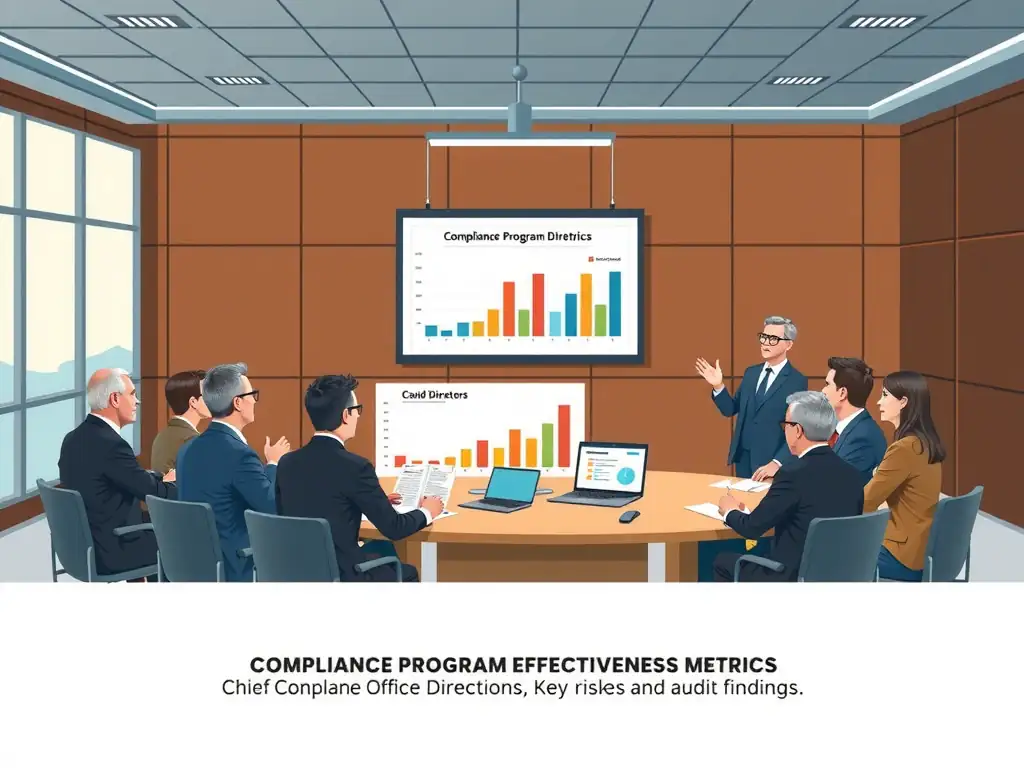
Think of the board as the ship's captain: you don't need to check the oil every five minutes, but you must talk regularly with the chief compliance officer and internal audit lead. You need structured briefings on risks, controls, and program metrics to know if compliance is working. Rotating compliance leaders or drowning in minor infractions won't cut it.
Full Explanation
The Board of Directors holds the ultimate responsibility for overseeing the organization's compliance and ethics program. Under legal frameworks like the Caremark doctrine and regulatory guidelines from the Department of Justice, board members must exercise active oversight rather than passive receipt of reports. The most effective way to achieve this is through regular, structured, and in-depth discussions with the Chief Compliance Officer and the head of Internal Audit. These discussions should focus on the organization's risk profile, the effectiveness of internal controls, audit findings, and key compliance program metrics. This includes holding executive sessions without executive management present to allow the Chief Compliance Officer to speak freely about any potential roadblocks or resource shortages.
The approach of mandating that the Chief Compliance Officer personally attend all operational and sales meetings is incorrect because it is an inefficient use of resources and leads to micro-management. The Chief Compliance Officer should focus on strategic oversight and program management, not daily business operations.
The approach of rotating the compliance leadership annually to bring fresh external perspectives into the department is incorrect because compliance program maturity requires continuity. Rotating compliance leadership annually prevents the department from building trust, executing long-term strategies, and developing deep institutional knowledge.
The approach of reviewing a comprehensive, unredacted list of minor administrative employee infractions on a weekly basis is incorrect because the board's role is high-level strategic oversight, not operational management. Reviewing lists of minor infractions drowns the board in administrative details, preventing them from focusing on systemic risks and program effectiveness.
By establishing direct reporting lines and engaging in proactive dialogue, the board ensures the compliance program is sufficiently empowered, funded, and integrated into the company's culture.