
Which of the following best describes the primary objective of a company's conflict of interest policy and its corresponding disclosure process?
Select an answer to reveal the explanation.
Short Explanation
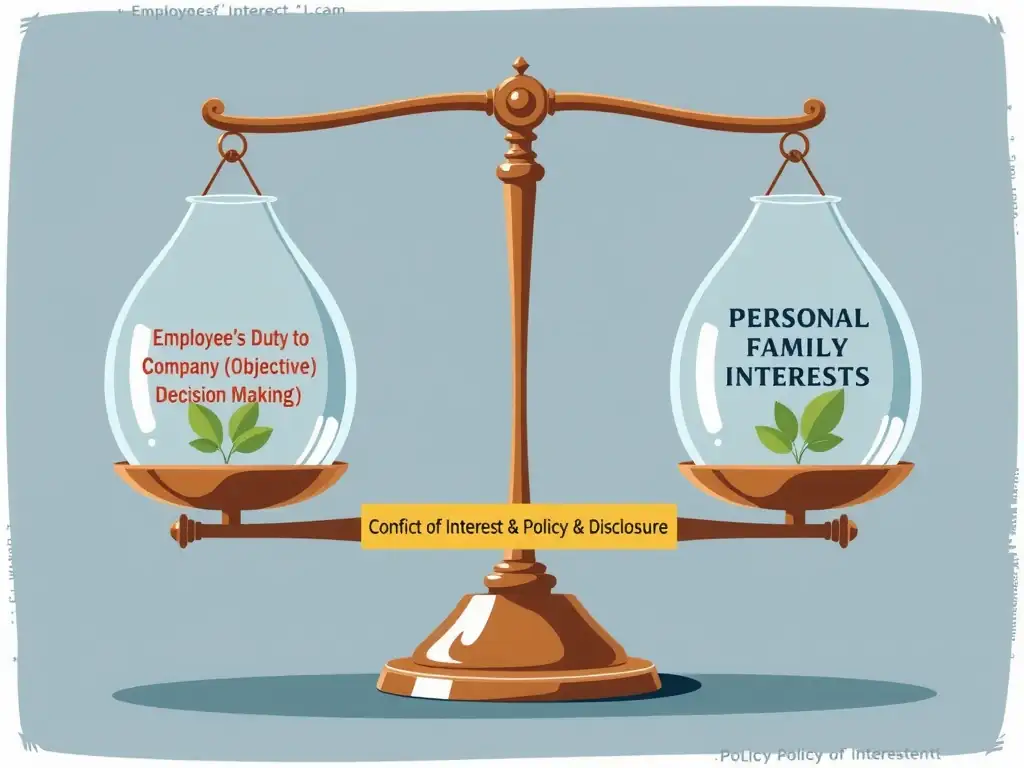
Imagine your brother-in-law owns the vendor bidding on the fiber contract. You need the conflict-of-interest policy to keep personal ties, investments, or outside interests from clouding business decisions. Disclosing the issue lets the company manage it, like having someone else handle the bid.
Full Explanation
The correct description is that conflict-of-interest situations occur when an individual's private interests—such as personal relationships, financial investments, outside business activities, or family connections—interfere, or appear to interfere, with their ability to make objective decisions in the best interest of the employer. The primary purpose of the conflict-of-interest policy and disclosure process is to identify potential, actual, or perceived conflicts early. Once disclosed, the organization can implement mitigation strategies, such as recusal from decision-making or reassigning that project, to protect both the integrity of the business decision and the employee.
The option about restricting employees from forming any personal or professional relationships outside the workplace is incorrect because the conflict-of-interest policy does not seek to regulate or prevent employees from having personal relationships or outside lives, provided they do not conflict with the company's business operations and objective decision-making. The option about identifying and cataloging high-performing employees who are most suitable for management promotions is incorrect because promotions are typically handled by human resources and management performance evaluations, not conflict-of-interest disclosures. The option about implementing strict non-compete clauses that prohibit employees from working in the same industry after leaving the company is incorrect because non-compete agreements and post-employment restrictions are separate legal covenants, whereas conflict-of-interest policies govern active employees' current duties and ethical decision-making.