
Following an internal hotline tip alleging that a senior executive is accepting kickbacks, the compliance officer is tasked with initiating an inquiry. Which of the following is the most critical procedural obligation of the compliance team during this process?
Select an answer to reveal the explanation.
Short Explanation
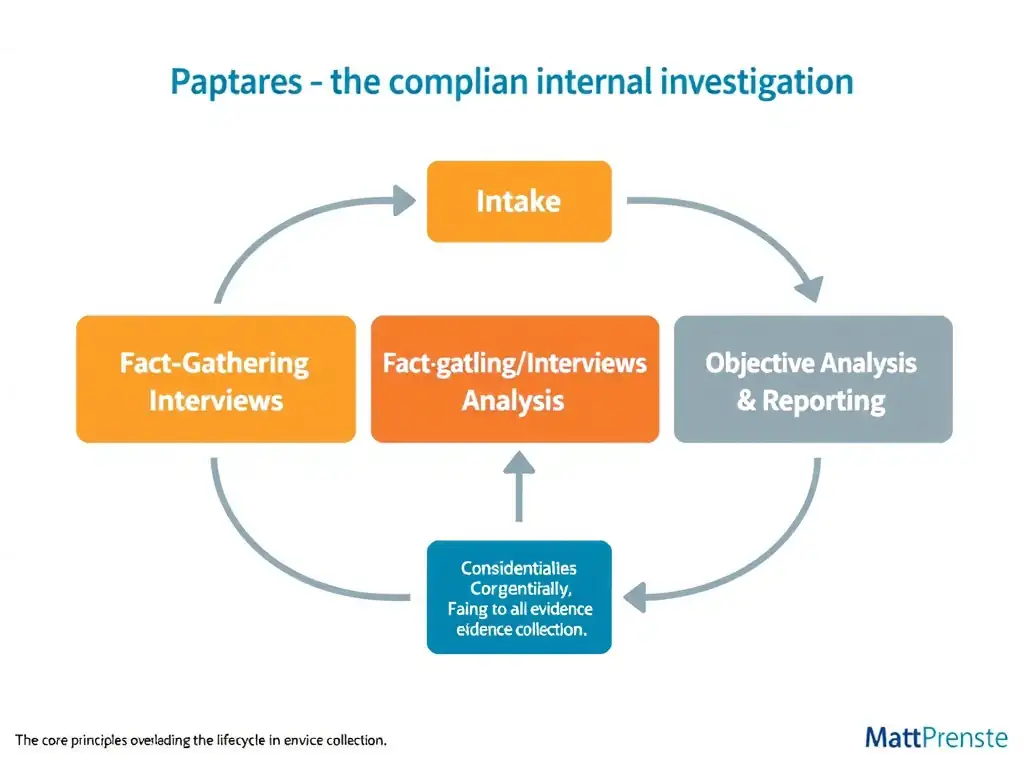
Here's the deal: when a hotline tip lands, you don't play judge, jury, and executioner. You run a fair, evidence-based, confidential investigation so the facts do the talking. If you leak details, expose the whistleblower, or suspend someone without proof, you'll wreck trust and invite retaliation.
Full Explanation
When a potential violation of the Code of Conduct is reported, the compliance department's primary duty is to ensure the integrity of the investigative process. This requires conducting an investigation that is fair (respecting the rights of all parties), objective (unbiased and based purely on verifiable evidence), and confidential (to protect the reporter from retaliation and safeguard the reputation of the accused until findings are established). The approach of publicly disclosing the details of the allegation to demonstrate corporate transparency is incorrect because public disclosure during an ongoing investigation violates confidentiality, compromises evidence, and violates privacy standards. The approach of immediately suspending the accused executive without pay pending a full confession is incorrect because taking immediate disciplinary action prior to gathering facts violates the principle of objectivity and due process. The approach of sharing the informant's identity with department heads to facilitate gathering character references is incorrect because exposing a whistleblower's identity violates anti-retaliation policies and destroys the trust required to maintain a functioning reporting hotline. A structured, confidential, and unbiased investigation is essential to satisfy regulatory expectations (such as the US DOJ Guidelines for Evaluation of Corporate Compliance Programs) and maintain organizational trust.