
When an organization operates in a jurisdiction identified as having a high risk of money laundering, which of the following preventive controls is most critical to implement?
Select an answer to reveal the explanation.
Short Explanation
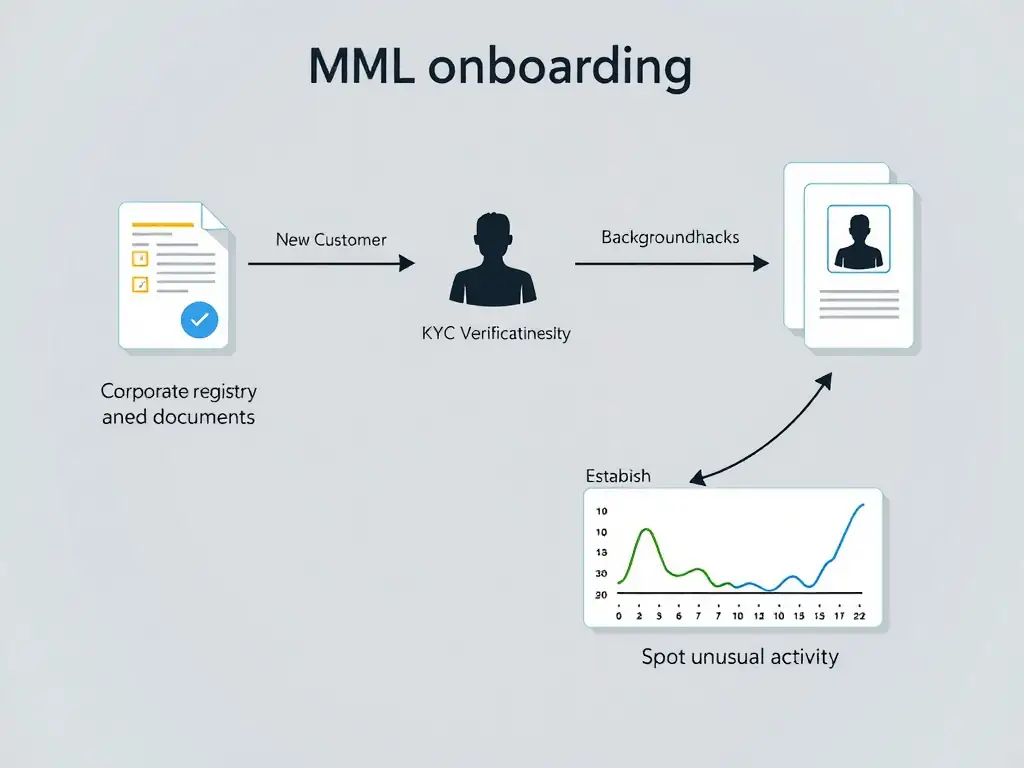
If you're doing business in a country where money laundering is rampant, you can't just close your eyes and hope for the best. Robust Know Your Customer onboarding and continuous transaction monitoring give you the shield you need to do business safely in tough neighborhoods.
Full Explanation
The most critical preventive control is establishing robust 'Know Your Customer' onboarding protocols and continuous transaction monitoring procedures. In anti-money laundering compliance, preventive controls are essential to prevent the organization's financial systems from being used to disguise the origins of illicit funds. The foundational preventive controls are Know Your Customer and Customer Due Diligence procedures. These protocols require the organization to verify the identity of customers, identify beneficial owners, and understand the nature of the business relationship. When combined with ongoing transaction monitoring, the organization can detect deviations from normal behavior and file Suspicious Activity Reports as required by global anti-money laundering regulations, such as the Financial Action Task Force standards.
Accepting cash payments for all high-value transactions to avoid bank processing delays is wrong because cash transactions are highly anonymous and represent the highest risk factor for money laundering. Accepting unrestricted cash payments is a major compliance failure. Permitting a single trusted employee to handle and approve all financial transactions to maintain confidentiality is wrong because a single person managing all financial transactions violates the principle of segregation of duties, creating a severe operational and fraud risk. Implementing a total ban on all business activities and transactions within that country, regardless of risk level, is wrong because while de-risking, or exiting a market entirely, is a choice, it is a commercial strategy rather than a standard compliance control. Organizations can operate in high-risk areas if they deploy proportional risk mitigation measures. Effective anti-money laundering programs rely on a risk-based approach, applying enhanced due diligence to customers in high-risk jurisdictions.