
When designing a compliance training curriculum for a multinational corporation with a diverse, globally distributed workforce, which of the following approaches is most effective?
Select an answer to reveal the explanation.
Short Explanation
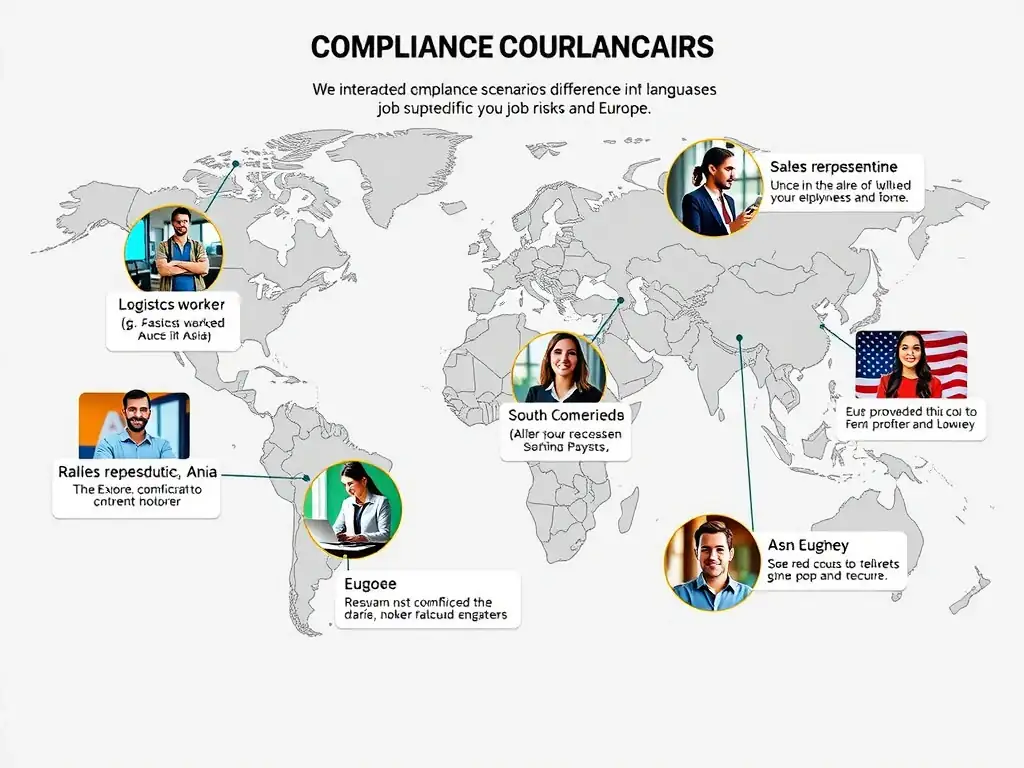
Think of this like coaching a global sports franchise. You wouldn't give the goalkeeper, the forward, and the accountant the same training regimen, and you wouldn't run the session in a language half don't speak. Make compliance training dynamic, role-specific, localized, and scenario-based so it actually sticks.
Full Explanation
The most effective approach is implementing a dynamic, scenario-based training program tailored to specific job roles, localized risk profiles, and local languages. Effective compliance training for a global workforce must be risk-based, relevant, and engaging. A generic, one-size-fits-all training program fails because it does not address the specific risks faced by employees in different roles or regions. Tailoring training to specific job functions, such as training sales teams on anti-bribery and procurement teams on supply chain risks, and to local legal requirements, such as GDPR in Europe or FCPA in global sales, ensures that employees receive actionable, practical guidance. Furthermore, utilizing localized translations and culturally appropriate, scenario-based learning increases comprehension and engagement.
The single, comprehensive, lengthy training module written in English for all global employees to maintain absolute standardization is less effective because it will suffer from low engagement, poor retention, and language barriers, failing to educate non-English speakers effectively. Mandating that every employee, regardless of their location or job role, attend in-person classroom training sessions at corporate headquarters is less effective because it is logistically impractical, excessively costly, and commercially disruptive. Requiring employees to perform a brief, self-directed review of the written Code of Conduct once a year with no interactive elements is less effective because it is a check-the-box exercise that does not build decision-making skills or address specific risk areas. Modern instructional design principles emphasize that interactive, chunked, and role-specific scenarios are the best way to drive ethical decision-making and ensure regulatory compliance.