
A corporation maintains a comprehensive Code of Conduct and conducts annual training. However, employees observe executive leadership making business decisions that clearly prioritize short-term revenue over ethical principles, leading to an environment where staff rarely discuss ethical concerns. Which compliance element is failing in this organization?
Select an answer to reveal the explanation.
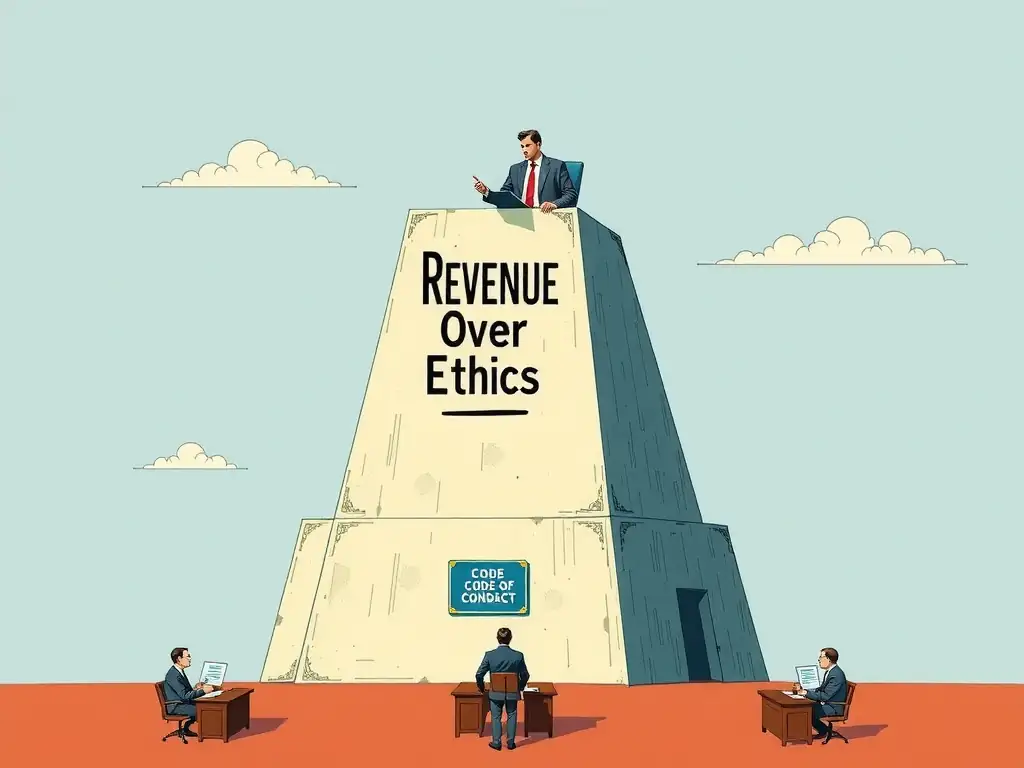
Short Explanation
Think of it like this: kids don't do what their parents say, they do what their parents do. It's the same in a corporation. If executives chase short-term revenue over ethics, your Code of Conduct and training become window dressing, and people stop raising concerns.
Full Explanation
The failing compliance element is the organizational leadership commitment, commonly known as 'tone at the top.' Tone at the top refers to the ethical atmosphere created by an organization's leadership, including senior executives and the board of directors. Compliance guidelines from the DOJ, OECD, and other regulatory bodies emphasize that leadership's commitment to compliance is the foundation of an ethical culture. If leaders prioritize commercial gains or cost-cutting at the expense of ethics, employees will perceive compliance policies as mere 'paper exercises.' This disconnect breeds cynicism, discourages reporting, and increases the likelihood of systemic compliance failures, regardless of how often the Code of Conduct is updated.
The communication and training effectiveness choice is incorrect because the scenario indicates that the organization has detailed, updated policies and training. The failure is not in the delivery of training, but in the lack of alignment between leadership's actions and the values taught. The consistency and severity of disciplinary guidelines choice is incorrect because disciplinary measures cannot be effectively applied or trusted if employees do not report violations in the first place, or if executive double-standards prevent uniform enforcement. The third-party due diligence and supplier vetting protocols choice is incorrect because third-party due diligence relates to managing risks associated with external vendors and partners. While important, it does not address the internal cultural failure stemming from executive behavior.
An effective compliance program requires leaders to lead by example, allocate sufficient resources to compliance, and integrate ethical standards into operational decision-making.