
A multinational corporation is preparing to acquire a smaller competitor that operates extensively in emerging markets. Before the transaction is finalized, what is the most critical action the acquiring organization's compliance team must take to prevent successor liability?
Select an answer to reveal the explanation.
Short Explanation
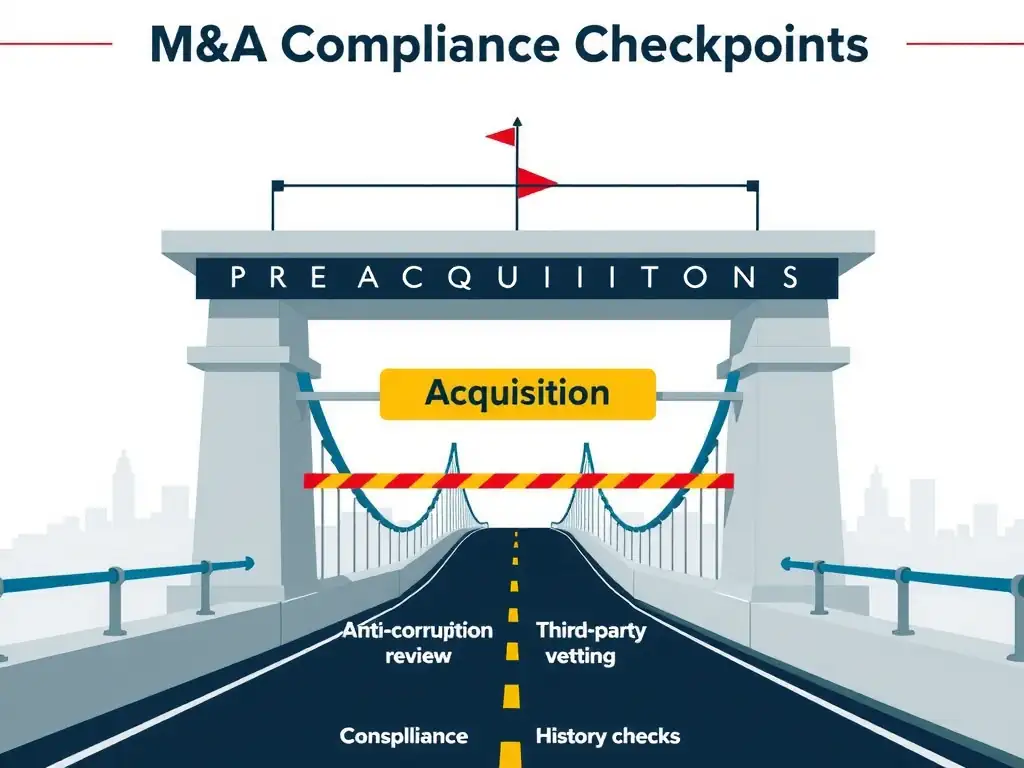
If you buy a company, you can buy its corruption too. That's why you've got to run comprehensive pre-acquisition legal and anti-corruption due diligence before closing, so you don't inherit FCPA, sanctions, or bribery liabilities.
Full Explanation
In mergers and acquisitions, the acquiring company can inherit the legal liabilities of the target entity under the doctrine of successor liability. This is particularly true for violations of the Foreign Corrupt Practices Act, global anti-bribery laws, sanctions violations, and anti-money laundering regulations. Therefore, performing in-depth anti-corruption and legal due diligence prior to finalizing the transaction is the single most critical compliance action. This process allows the acquirer to identify historical misconduct, assess the strength of the target's compliance culture, price compliance risks into the transaction, and plan for immediate post-acquisition remediation. Announcing the transaction to the media through a joint press release is incorrect because it is a public relations and corporate communications activity, not a compliance or risk-mitigating action. Performing a detailed financial audit to verify cash flow and balance sheet accuracy is incorrect because, while a financial audit is a vital component of transaction due diligence, its primary purpose is to verify financial health, assets, and liabilities. It may miss subtle compliance infractions, such as systemic bribery disguised as legitimate consulting fees or improper third-party relationships, which require specialized compliance reviews. Issuing formal employment contracts and retention packages to all existing staff members of the target company is incorrect because offering positions to all employees before conducting due diligence could result in hiring individuals who participated in corrupt practices, further exposing the acquiring organization to compliance failures. Regulators, such as the US Department of Justice, have repeatedly emphasized that companies must conduct thorough pre-acquisition due diligence and execute rapid integration and remediation plans post-acquisition to qualify for safe harbor protections.