
During a routine vendor assessment, your compliance team flags an international supplier as "high-risk" due to their geographic location and history of minor regulatory infractions. What is the most appropriate compliance step to mitigate this risk?
Select an answer to reveal the explanation.
Short Explanation
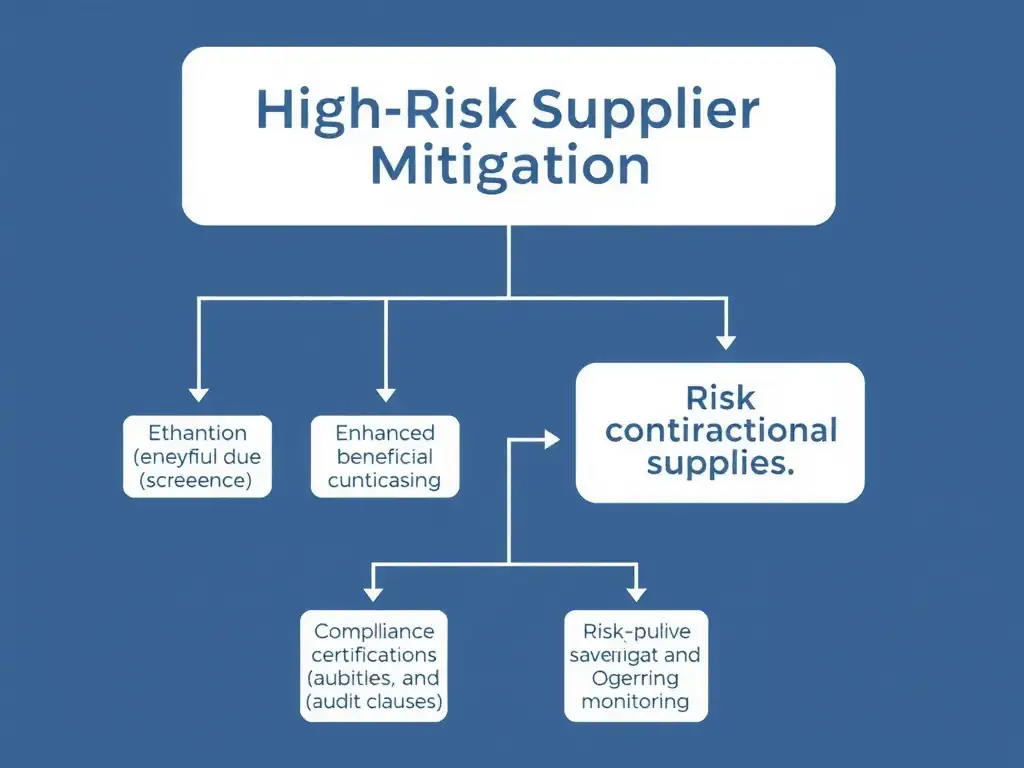
When a vendor gets a high-risk flag, don’t panic or hand over the keys. You dig in with enhanced due diligence, check ownership and background, and lock down contractual compliance certifications. That’s how you manage risk instead of pretending it away.
Full Explanation
The appropriate step is to conduct enhanced due diligence and require the supplier to contractually certify compliance with the organization's ethical standards. Third-Party Risk Management (TPRM) is a critical component of a modern compliance program. When a prospective or existing supplier is categorized as high-risk, the organization must implement enhanced risk-mitigation measures rather than standard screening. Performing enhanced due diligence involves conducting deep background checks, analyzing beneficial ownership, investigating any past regulatory actions, and understanding the vendor's internal compliance controls. Furthermore, requiring the vendor to formally certify compliance with the organization's standards—often through contractual clauses, compliance representations, and 'right to audit' provisions—establishes a legally binding obligation for ethical behavior.
The option to grant the supplier full access to internal databases is incorrect because giving a high-risk supplier unrestricted access to internal data introduces severe cybersecurity, data privacy, and intellectual property risks, compounding the organization's overall risk exposure. The option to terminate all negotiations immediately and black-list the supplier is incorrect because automatically avoiding all high-risk suppliers is commercial avoidance, not risk management. Many critical components or services can only be sourced from specific regions or suppliers that carry higher inherent risks, which must be managed rather than avoided. The option to offer higher-than-average premium fees to incentivize ethical behavior is incorrect because paying inflated fees does not incentivize ethical conduct; in fact, paying above-market rates without commercial justification is a major red flag for potential corruption, bribery, or kickback schemes.
Through enhanced due diligence and structured contractual commitments, compliance departments can safely enable business operations while maintaining oversight and ensuring that third parties align with regulatory standards.