What is the primary purpose of establishing a corporate anti-bribery and anti-corruption (ABAC) policy within an international business entity?
Select an answer to reveal the explanation.
Short Explanation and Infographic
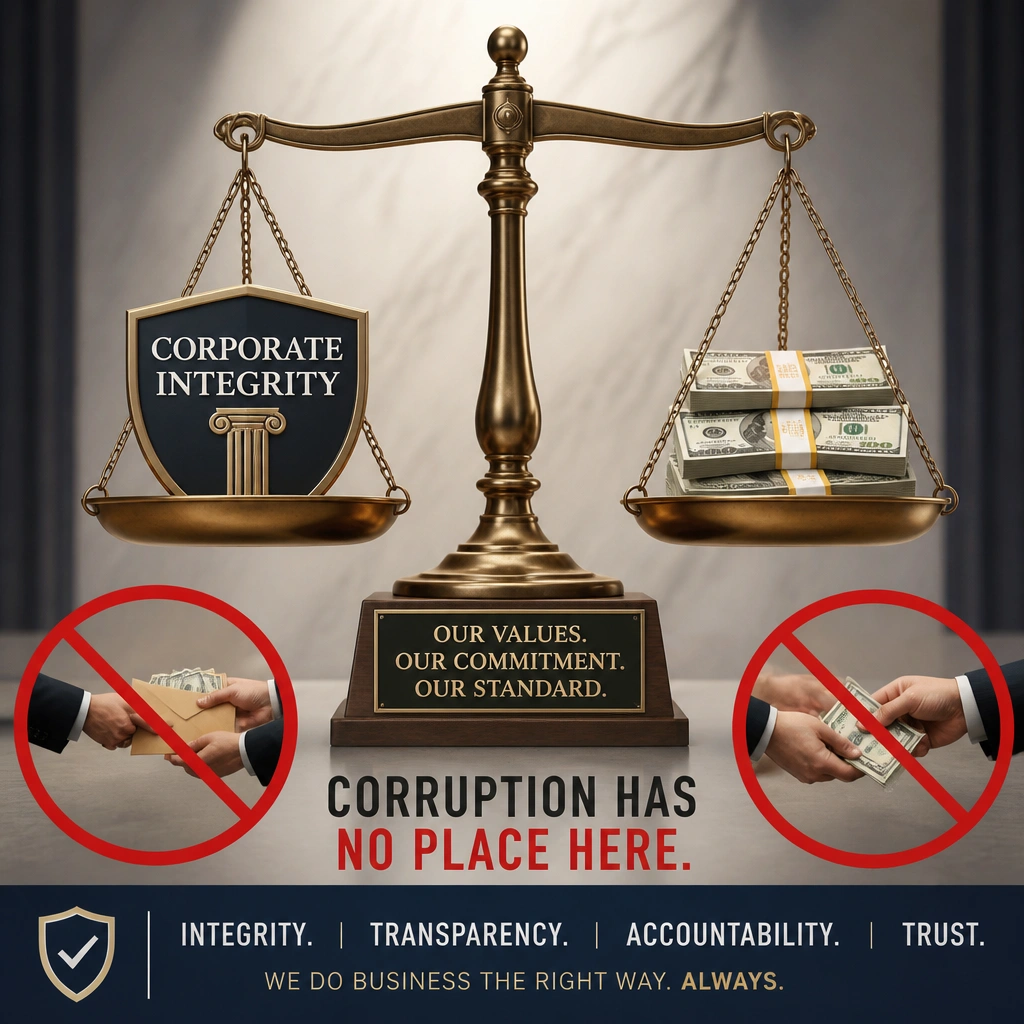
Let's dive in: bribery is a quick ticket to a federal cell block, and regulators do not play games when it comes to the Foreign Corrupt Practices Act (FCPA) or the UK Bribery Act. The absolute core objective of your anti-bribery policy is to draw a thick red line: no offering, no promising, no authorizing, and no accepting bribes. Period. This isn't just about cash in a briefcase; it covers anything of value—extravagant gifts, high-end dinners, or even an internship for a government official's child. If it's meant to grease the wheels for a business favor, it's illegal. Make sure your team knows that third-party agents can get you in hot water too!
Full explanation below image
Full Explanation
The primary objective of a corporate anti-bribery and anti-corruption (ABAC) policy is to ensure compliance with global anti-corruption laws, such as the Foreign Corrupt Practices Act (FCPA) and the UK Bribery Act. These laws carry severe criminal and civil penalties for both corporations and individuals. An effective ABAC policy sets clear boundaries prohibiting the offering, promising, giving, receiving, or soliciting of bribes or other improper advantages. The policy must apply not only to internal employees but also to intermediaries, consultants, distributors, and other third parties acting on behalf of the organization, as companies are frequently held liable for bribes paid by third-party agents.
Option B is correct because the core mandate of an ABAC policy is to forbid any form of corrupt payments, gifts, or favors designed to improperly influence a business decision or secure an unfair advantage.
Option A is incorrect because modern compliance programs actively discourage or outright ban facilitation payments (often called "grease payments"). While historically permitted under narrow exceptions in the FCPA, they are illegal under the UK Bribery Act and the laws of most local jurisdictions, making their routine encouragement a major risk.
Option C is incorrect because corporate gifts and entertainment must be strictly limited in value and subject to approval. Allowing unlimited gifts is a direct violation of anti-corruption standards.
Option D is incorrect because an ABAC policy cannot be used to simply transfer liability to third parties. Companies are legally obligated to perform due diligence and monitor their third-party agents; ignorance does not shield the company from successor or agency liability.