
API inventory lists checkout operations that do not match the imported specification. A product owner wants those calls blocked before anyone reviews the drift. What should happen first?
Select an answer to reveal the explanation.
Short Explanation
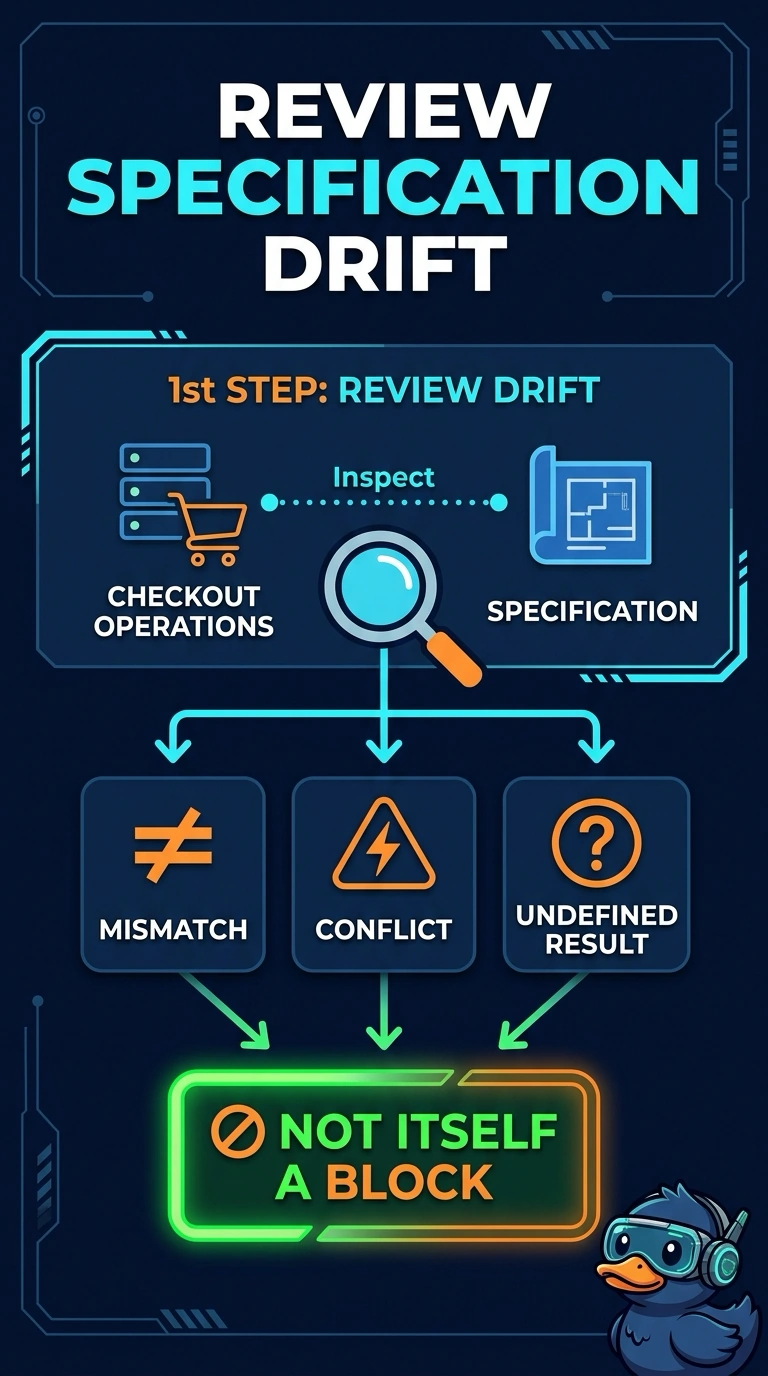
A surveyor's note that the fence line moved is not the same tool as a locked gate. You should review the mismatch, conflict, or undefined result before anyone talks about blocking. The trap is deleting the add-on, or relabeling the operations inactive, and calling that prevention.
Full Explanation
Cortex compares gateway endpoints with imported specifications and reports match, mismatch, conflict, or undefined. That comparison lists drift. It is not the control that blocks a call, so the drift should be reviewed before a prevention conversation. Importing a cleaner file can change the comparison, and it does not clear injection detections, which are threat detection on traffic rather than a specification state. An inactive endpoint is specified and has no gateway traffic. These operations mismatched a specification, which means they were compared, not that traffic was absent and the specification omitted them. Removing the Data Collection add-on stops the Apigee traffic collection the integration needs. Redeploying the shared-flow policy without a prevention decision does not turn a specification label into a block. Exam caveat: exposure, missing authentication, and weak encryption are posture findings on the API. They are separate from both the drift label and an injection detection. Operational check: export one mismatched operation, confirm whether it is mismatch, conflict, or undefined, and only then decide whether a different control should block it.