
A regional health system must show control status for its health-privacy obligations. An analyst plans to export raw findings and rename the file. What should they start instead?
Select an answer to reveal the explanation.
Short Explanation
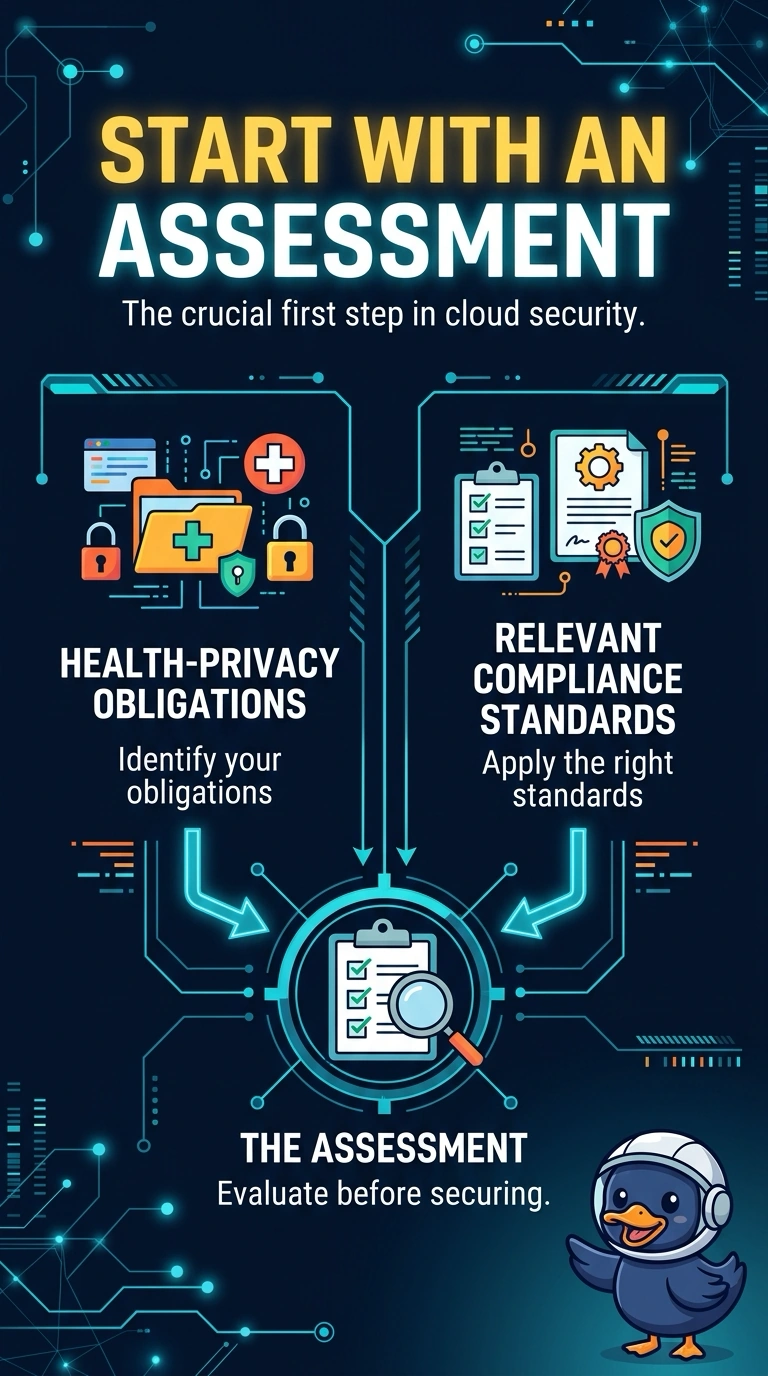
You can show control status for your health-privacy obligations with a compliance assessment from the relevant standard, rather than by renaming an export of raw findings. An endpoint prevention profile blocks on hosts, a static asset group is not an auditor’s access scope, and an agentless image rule that denies every workload is not a compliance control mapping. Start with the relevant standard and check that your health-system assets are in scope.
Full Explanation
Out-of-the-box standards and custom controls are assessments and reports, so you show control status for health-privacy obligations by starting an assessment from the relevant compliance standard. Exporting raw findings and renaming the file skips the assessment; the renamed file is not the compliance record. A new endpoint prevention profile blocks on hosts when assigned to an endpoint group, but it is not a compliance standard and does not produce control status. A static asset group cannot serve as an auditor’s access scope: auditors see assets through a dynamic group, and a static list does not start an assessment. An agentless image rule is a Cloud Workload check; a rule that denies every workload is not a compliance control mapping. Exam caveat: compliance results follow asset scope, so an analyst whose scope excludes the health-system assets can see an empty standard even after the assessment exists. Practical check: start the assessment from the standard that covers the obligations, confirm the in-scope asset groups, and show control status from that assessment rather than from the renamed export.