
You're designing a data center for high-density AI workloads, and you need to identify the most critical resource constraints that will limit your deployment. Which three resource constraints are most critical and limiting in high-density environments?
Select an answer to reveal the explanation.
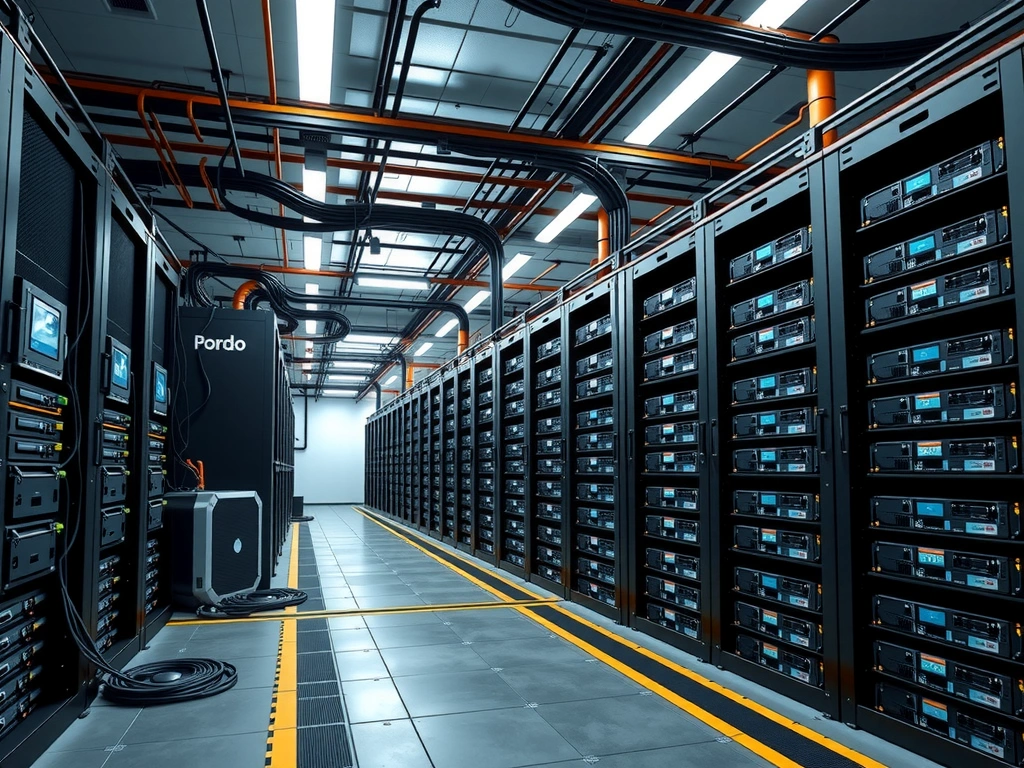
Short Explanation and Infographic
Power, cooling, and space are the physical infrastructure bottlenecks. Processing speed, licenses, and other factors are important, but power/cooling/space are the hard limiting constraints in high-density deployments.
Full explanation below image
Full Explanation
In high-density data centers packed with GPUs, three resources reach limits quickly: Power — each GPU (H100, A100) draws significant power (250–700W). A rack of 8-GPU systems can draw 50+ kW. Data centers have finite power capacity, and upgrading is expensive. Cooling — that power becomes heat. Removing heat is critical to prevent thermal throttling and GPU failure. Data center cooling (CRAC units, water cooling) is expensive and capacity-limited. Physical space — each node takes up rack space. A 42-unit rack fills up quickly with 8-GPU nodes. Expanding your facility is expensive. These three constraints interact: more GPUs = more power = more cooling = more space. They're the fundamental limiters of density. Processing speed is important but not a limiting factor (GPUs are fast enough). Storage, bandwidth, and licenses are manageable (you can add storage, upgrade networks, acquire licenses). The question tests whether you understand the practical data center constraints.