
Northwind Traders is planning to deploy a Copilot Studio agent for their HR department. They have three Power Platform environments: Development, Test, and Production. The HR team wants to experiment with new agent features without affecting the live production agent used daily by employees. Which approach should the solution architect recommend?
Select an answer to reveal the explanation.
Short Explanation and Infographic
Think of environments like a restaurant kitchen — you experiment in prep, not in front of customers. Dev → Test → Prod is the correct three-stage ALM pattern. Answer: B.
Full explanation below image
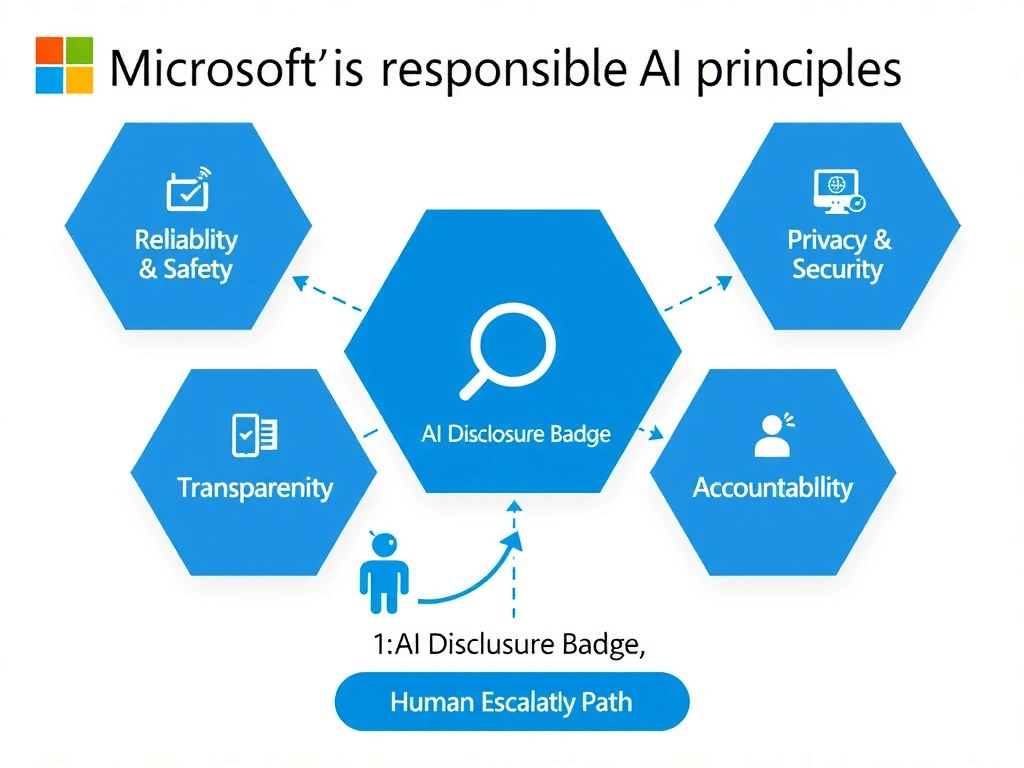
Full Explanation
Power Platform environment strategy is foundational to enterprise ALM. The recommended pattern uses separate environments for each stage of the development lifecycle.
Option B is correct. The Development environment is where builders create and iterate on agent changes. New features, topic redesigns, and connector updates happen here without any risk to live users. Once changes are stable, they are packaged in a solution and promoted to the Test environment for quality assurance. Only after passing test validation are changes deployed to Production. This ensures employees using the daily HR agent experience no disruptions from experimental work.
Option A is incorrect. Building changes directly in Production is the riskiest possible approach. Any syntax error, broken flow, or misconfigured connector immediately affects all users. There is no safe sandbox for experimentation in a production environment.
Option C is incorrect. Creating a second tenant is disproportionate, expensive, and creates licensing complexity. Power Platform environments within a single tenant already provide the necessary isolation. Cross-tenant deployment also introduces significant complexity around connectors and data residency.
Option D is incorrect. While Copilot Studio does maintain version history, relying on rollback as the primary safety mechanism means production users experience outages during any problem. Version history is a recovery tool, not a substitute for a proper promotion pipeline.