
A team preparing a production rollout is deciding how to configure governance for their model. Which statement best captures the correct approach?
Select an answer to reveal the explanation.
Short Explanation
Match your governance settings to your real obligations, keep them current, and don't switch off required checks just to save time. That's the whole practice.
Full Explanation
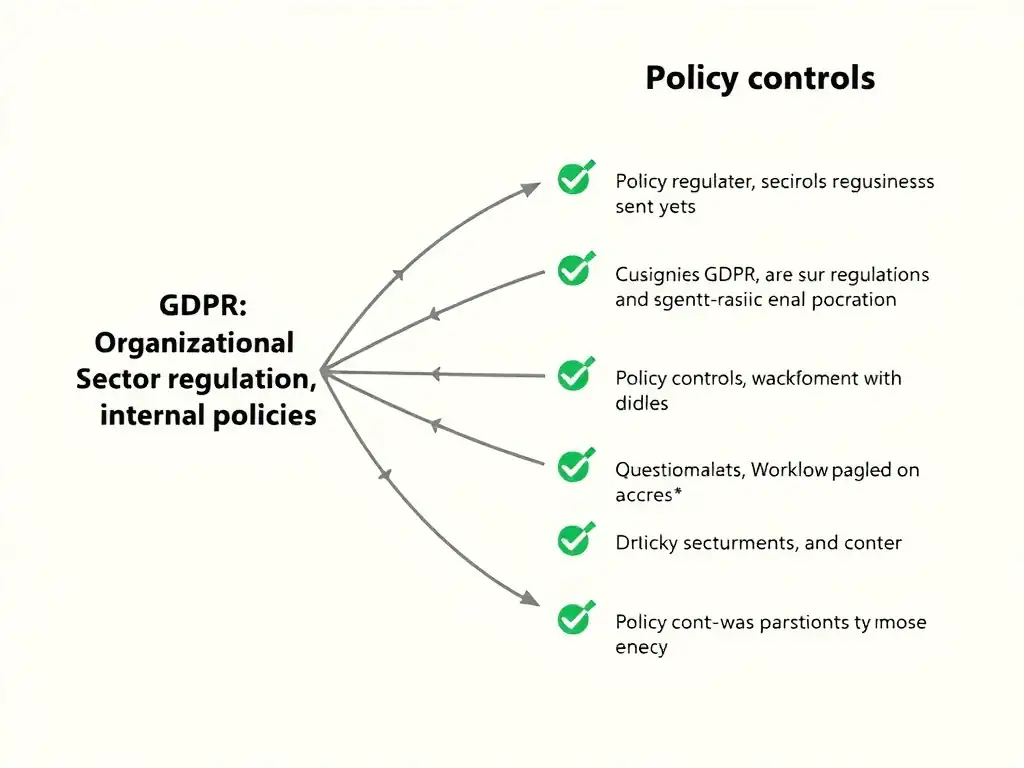
The correct approach is to configure policies, questionnaires, and workflow requirements to match the organisation's actual governance obligations, keep them current as those obligations change, and never disable them to save time for a high-risk asset. Governance configuration is meaningful only when mapped to real obligations, kept current as obligations shift, and left intact under deadline pressure for higher-risk assets. The default-settings view is incorrect because defaults are generic and cannot reflect an organisation's specific obligations. The finish-once-and-leave-untouched view is incorrect because obligations evolve, so configuration set once will drift out of alignment if never revisited. The disable-required-questions-for-deadlines view is incorrect because a deadline is not a governance-based reason to remove the evidence a high-risk asset's obligations require. For the exam, hold all three ideas together: map to obligations, keep current, never disable required checks for expedience.