
As a proof of concept moves toward becoming a governed production system, stakeholders question why reputational risk needs its own line item separate from regulatory risk. What is the best justification?
Select an answer to reveal the explanation.
Short Explanation
Legal and liked aren't the same. You can check every compliance box and still get burned by public backlash, so reputational risk needs its own line item.
Full Explanation
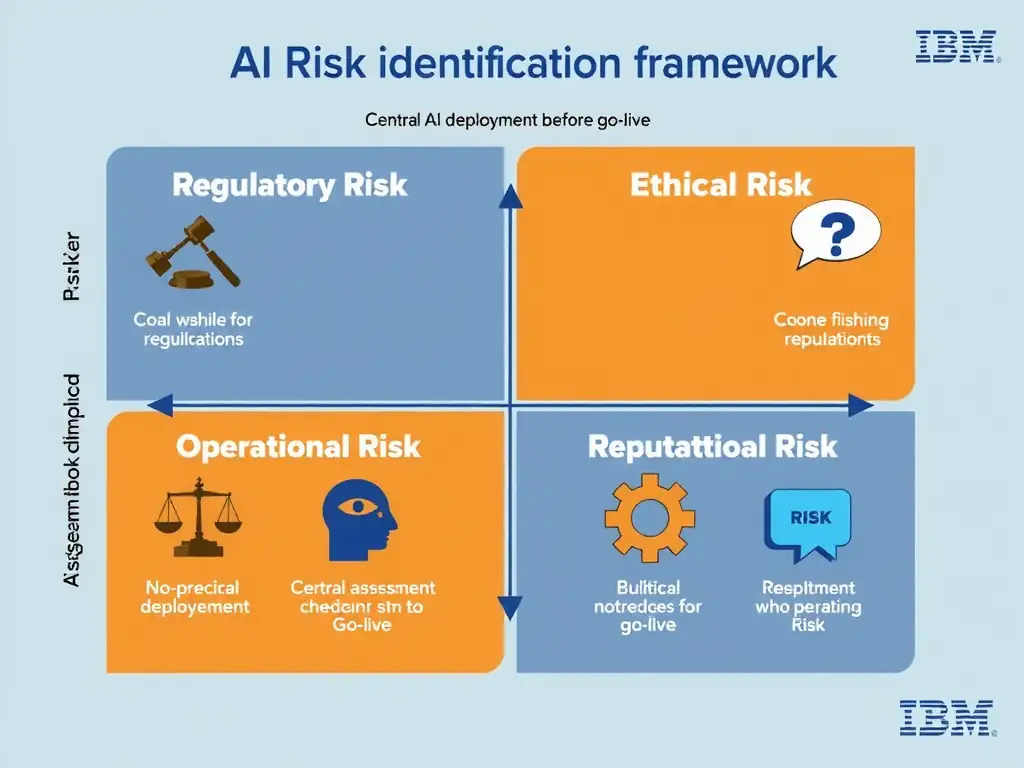
The best justification is that a system can comply fully with regulation and still cause public backlash or loss of trust, so reputational exposure has to be assessed on its own terms. Legality and public perception are governed by different forces; a fully compliant system can still generate an outcome the public finds objectionable, and that gap is exactly what a separate reputational assessment is meant to catch. The claim that reputation damage is automatically a regulatory violation is wrong because many reputationally damaging incidents involve no regulatory breach at all. The suggestion to track reputational risk instead of regulatory risk is wrong because it drops regulatory assessment and leaves genuine compliance exposure unaddressed. The claim that reputational risk only applies to consumer-facing brands is wrong because an internal system's failure can still become public and damage trust, especially if it affects employees or partners. For the exam, keep reputational risk as its own category, distinct from regulatory compliance.