
A project lead assumes that because a model performed well during validation, it will keep performing well indefinitely once deployed. Why is that assumption risky?
Select an answer to reveal the explanation.
Short Explanation
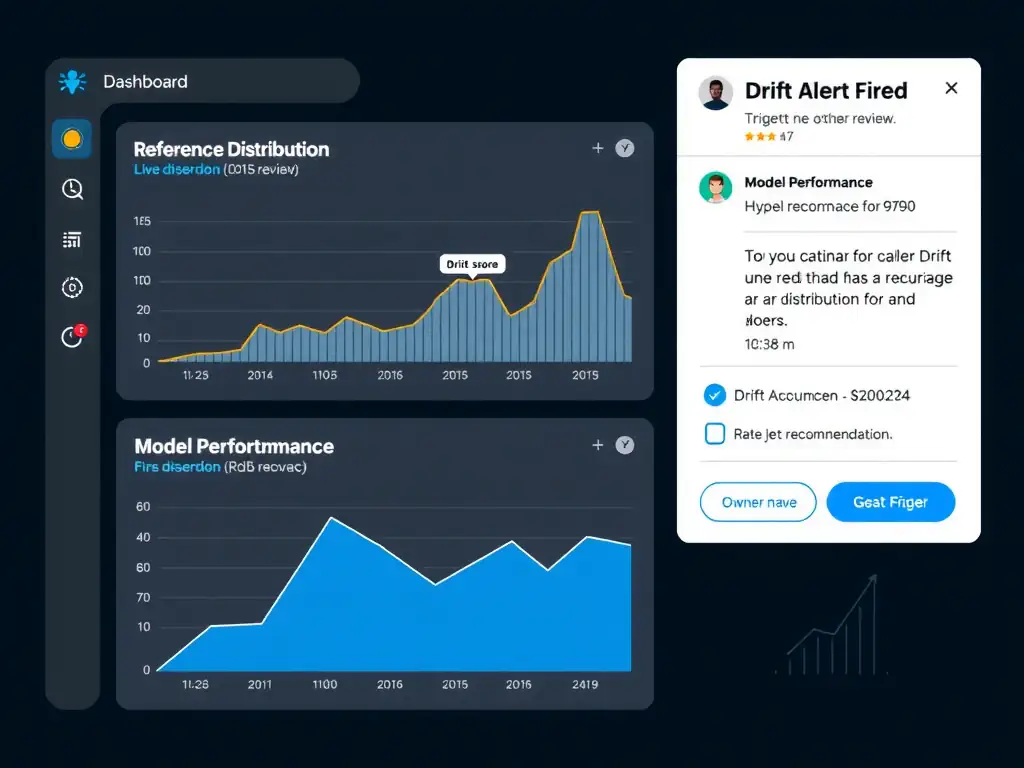
Validation is a photo of one moment. The world your model operates in keeps moving after the photo is taken. Without ongoing monitoring, you won't catch drift.
Full Explanation
Data and behaviour drift are the specific mechanism by which a model that passed validation can later diverge from that validated state, and only monitoring detects when that has happened. The live-data-shift answer is correct because validation captures a moment, while production data can change in ways the validation dataset did not capture. The thirty-day expiry answer is incorrect because there is no fixed expiry on validation results; the risk is drift, not a calendar rule. The deployed-models-cannot-match-validation answer is incorrect because a deployed model is not inherently unable to match its validation-time accuracy; drift is a risk, not a certainty. The smaller-validation-dataset answer is incorrect because dataset size difference is not the reason the assumption is unsafe; the changing nature of live data is. For the exam, treat 'validated once' and 'correct forever' as separate claims, connected only by monitoring.