
Someone must decide who receives alerts when a threshold is crossed for a newly governed model. What is the correct approach?
Select an answer to reveal the explanation.
Short Explanation
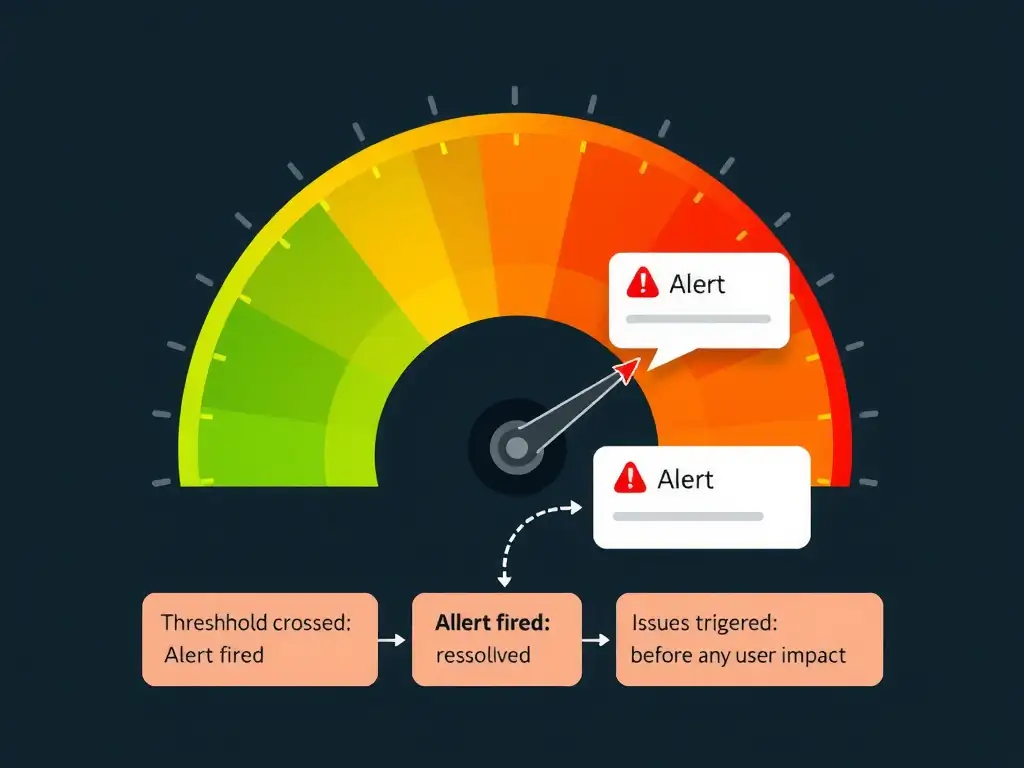
An alert that lands nowhere in particular, or lands only on an executive's desk, is functionally the same as no alert. You need a named, accountable owner who can act on the review it triggers.
Full Explanation
The correct approach is to route each alert to a named, accountable owner who can act on the review it triggers. An alert only produces a review if it reaches someone accountable for acting on it, so ownership has to be explicit. Sending every alert to a shared inbox that no specific person is responsible for monitoring is incorrect because an unowned shared inbox tends to result in alerts going unactioned. Logging alerts to a file without notifying anyone, to keep a historical record only, is incorrect because a silent log entry provides no trigger for review at all. Sending alerts only to the most senior executive in the organisation is incorrect because routing everything to one senior executive creates a bottleneck and bypasses the people best placed to act quickly. For the exam, pair every threshold with a specific, accountable alert recipient.