
A model heading into a governed production system needs a plan for what happens when it is eventually taken out of service. What should that plan include?
Select an answer to reveal the explanation.
Short Explanation
Retiring a model isn't deleting it. You still need to preserve the record of what it did and how it was governed, even after the asset is no longer used.
Full Explanation
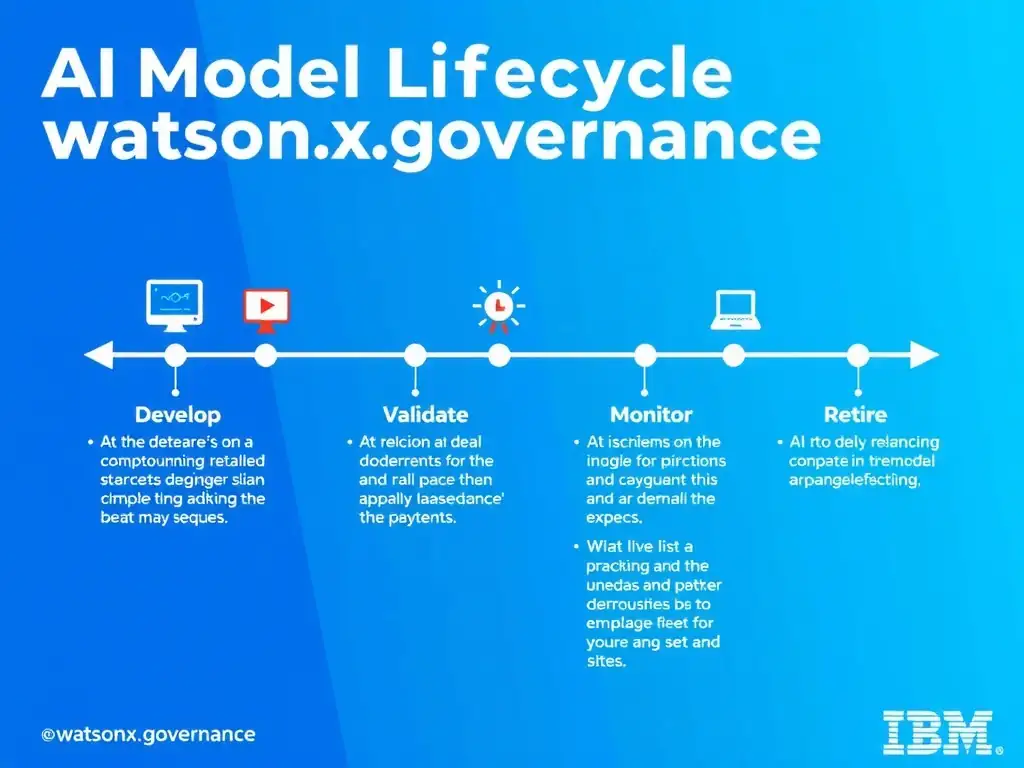
The correct approach is retiring or archiving the asset when it is no longer used while preserving the evidence required by governance obligations. Retirement is a lifecycle state, not a deletion event; the asset stops being actively used while the evidence trail that governance obligations require stays available.
Deleting the model and all associated records as soon as it stops being used is incorrect because it destroys the audit trail an organisation may still need to demonstrate past compliance, even after the model is gone. Leaving the model marked active in the inventory indefinitely, even after it is no longer used, is incorrect because an inactive model left marked active gives a false picture of what is actually running in production, which is its own governance risk. Removing the model's inventory entry without recording why or when it stopped being used is incorrect because dropping the entry without a record of the retirement erases the traceability the inventory exists to provide.
For the exam, remember retirement means archive-with-evidence, not delete, and not leave marked active.