
Which set of factors should drive storage tier decisions in a lakehouse?
Select an answer to reveal the explanation.
Short Explanation
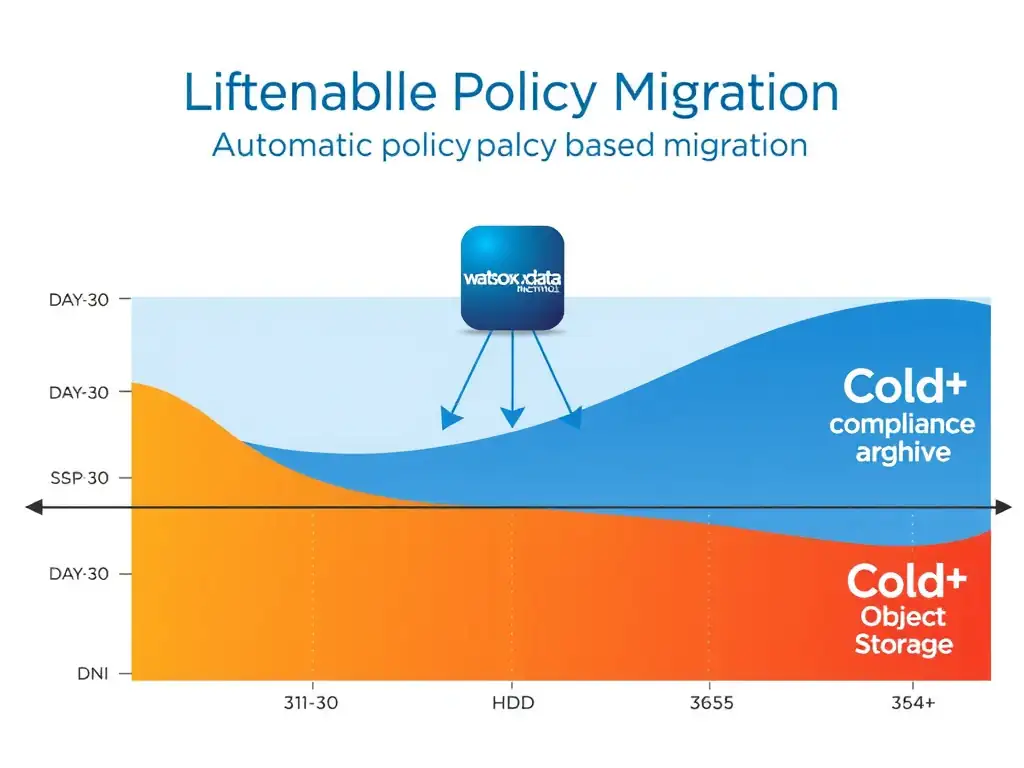
You tier storage by how often data's read, how fast it must be, and how long it must be kept. Those are the real cost-versus-access drivers, not compute, format, or ownership.
Full Explanation
The correct answer is access frequency, required performance, and retention obligations for each portion of the data. Tiering is a cost-versus-access trade. How often the data is read, what latency its consumers need, and how long it must be retained together determine where each portion belongs. The choice about the number of query engines provisioned and their sizes is incorrect because engine inventory concerns compute capacity; separating storage from compute is precisely why they are decided independently. The choice about the table format in use and the number of columns per table is incorrect because format and column count describe structure, not access behaviour. The choice about the identity of the team that originally loaded the data is incorrect because ownership is a governance attribute with no bearing on physical placement. For the exam, hold the three drivers together: access frequency, performance requirement, retention.